Retail boxes are packaging built specifically for the point of sale — the box a customer picks up off a shelf, examines, and decides to buy or put back. That's a different job than shipping packaging, which mainly has to survive a parcel network. A retail box has to protect the product, sure, but it also has to sell it, in the seconds a shopper spends looking at it before moving to the next item. That dual role — protection plus persuasion — is what separates retail packaging as its own category. Brands across cosmetics, food, electronics, apparel, and dozens of other industries all rely on it, and the requirements shift depending on where the product sells: a shelf in a big-box retailer, a boutique display, or a box that arrives at someone's door after an online order. Buying psychology plays a real role here too — packaging color, print quality, and structure all shape a shopper's read on quality and price point before they've touched the product itself. Thunder Packaging USA manufactures custom retail boxes for brands at every stage, from small businesses placing their first wholesale order to established manufacturers running recurring production, working through material, structure, and finish decisions so the box fits both the product and the retail environment it's sold in.
At its core, a retail box is packaging designed to present a product for sale, whether on a physical shelf, in a display case, or as the first thing a customer sees when opening a delivery. That's the key distinction from shipping packaging, which is engineered primarily around durability during transit and often isn't seen by the end customer at all — think of a plain corrugated mailer used to ship a retail box inside it. Retail packaging is meant to be seen, handled, and often kept or reused. It carries the brand's visual identity, communicates what the product is and why it's worth buying, and in many cases functions as a silent salesperson on a shelf where a customer isn't getting help from staff. First impressions form fast in a retail setting — shelf visibility, color contrast against neighboring products, and clarity of information all affect whether a box gets picked up at all.
Consistent packaging across a product line builds brand recognition — a customer who's bought from a brand before should be able to spot it again at a glance, without rereading the label. Beyond recognition, the box still has to do the practical work of product protection: keeping contents secure, preventing damage from handling, and, for anything fragile or perishable, maintaining product integrity until purchase. Well-built packaging also builds consumer confidence — a flimsy or poorly printed box raises subtle doubts about what's inside, even if the product itself is high quality.
Shelf appeal is a real, measurable factor in retail sales, and it comes down to a combination of color, structure, and print clarity that makes a product stand out among competitors stocked in the same aisle. For higher-end goods, premium presentation — rigid stock, foil detailing, soft-touch coating — signals price point before a customer reads a single word. Increasingly, packaging is also part of the customer experience even after purchase: the unboxing moment, particularly for e-commerce orders, has become something customers photograph and share, which extends a box's marketing value well past the shelf. Retail compliance also matters for certain categories — food and cosmetic products, for instance, often need to display specific labeling or ingredient information, and packaging structure needs to accommodate that from the design stage rather than as an afterthought.
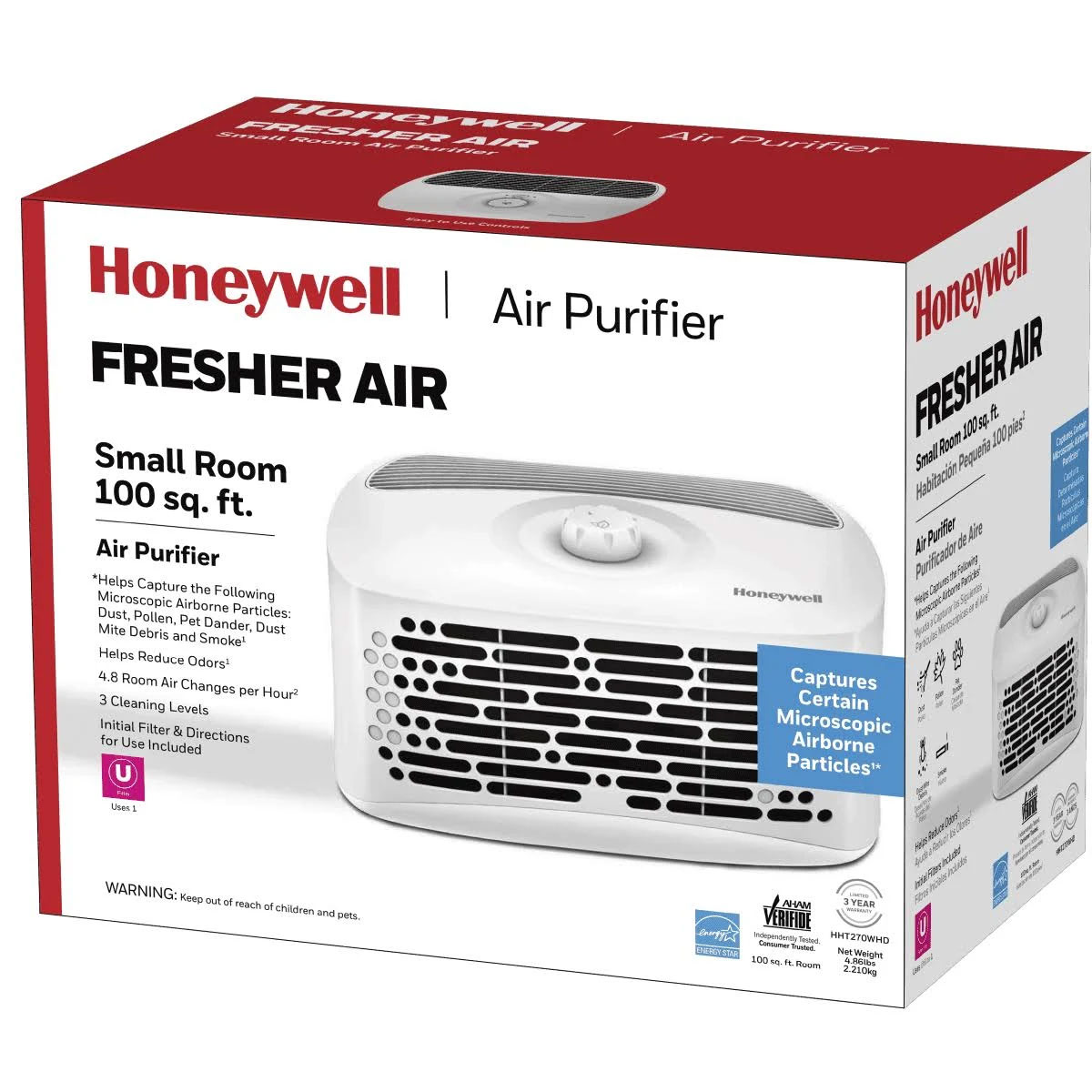
Cosmetics brands typically need boxes that support precise color reproduction, since shade accuracy matters to buyers, along with premium finishes for higher-end lines. Skincare packaging often prioritizes ingredient transparency and a clean, apothecary-style presentation. Food products require packaging that's food-safe where the box has direct contact with product, along with structural integrity for stacking on shelves. Beverage packaging frequently uses multi-unit carriers or divided compartments to keep bottles or cans from shifting. CBD products, where legally applicable, need compliant labeling space and often discreet, professional packaging that avoids overt branding restrictions in certain states. Electronics packaging typically requires foam or molded inserts to protect components, plus a structure that supports retail security tags. Jewelry boxes need secure inserts sized to the piece, since presentation and protection both matter for small, high-value items. Apparel packaging is usually simpler structurally but benefits from strong print branding since folded garments don't need much structural support. Health supplements often need tamper-evident features and clear label space for dosage and ingredient information. Toys require sturdy construction that withstands handling by children and often benefit from window cutouts so the product is visible. Stationery products lean toward simple, cost-efficient packaging with strong print detail. Pet products packaging varies widely by item but often needs to communicate size or usage information clearly on the front panel. Home décor packaging often uses window boxes so customers can see finish and color in person. Gift items call for packaging that's part of the gift itself, frequently with ribbon slots or magnetic closures. Candles need protective inserts for glass jars and a seal that keeps fragrance contained until purchase. Perfumes require rigid, close-fitted boxes that protect glass bottles and reflect the price point of the fragrance. Personal care products need practical, moisture-resistant materials given bathroom storage conditions. Household products packaging is generally built for durability and clear functional labeling over decorative finishing.
Kraft paperboard offers a natural, textured look that suits brands leaning into an eco-conscious or artisanal position, and it's a reasonably cost-efficient option for mid-volume runs. Corrugated cardboard adds structural strength and is the right choice when a retail box also needs to survive shipping — common for e-commerce brands that use the retail box itself as the shipped container. Rigid board doesn't fold flat and gives a substantially heavier, more premium feel, which is why it shows up most often in luxury cosmetics, jewelry, and gift packaging. Standard cardboard remains a practical, economical option for high-volume retail runs where cost per unit matters more than a premium tactile finish. Each material also affects print quality differently — SBS-coated stocks generally produce sharper detail than uncoated kraft, which is a consideration for brands with photography-heavy artwork. Sustainability, durability, and cost all trade off against each other here, and the right choice depends on the specific product and how it's sold.
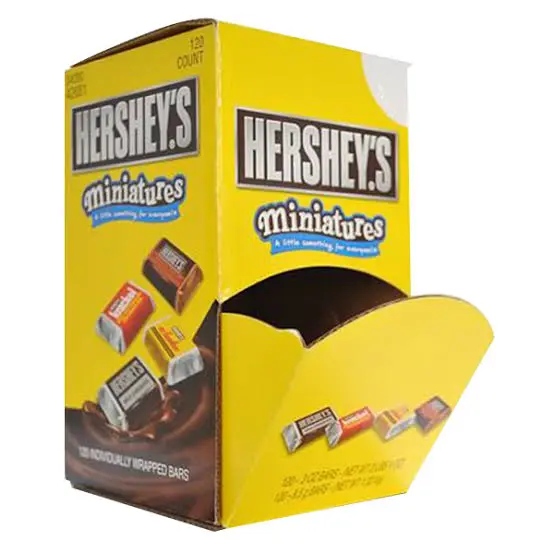
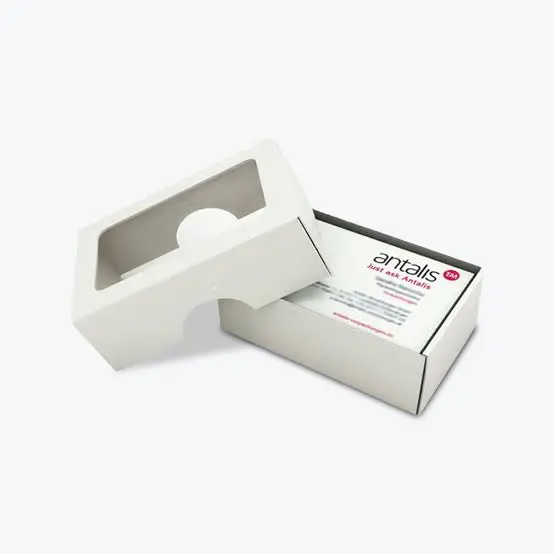
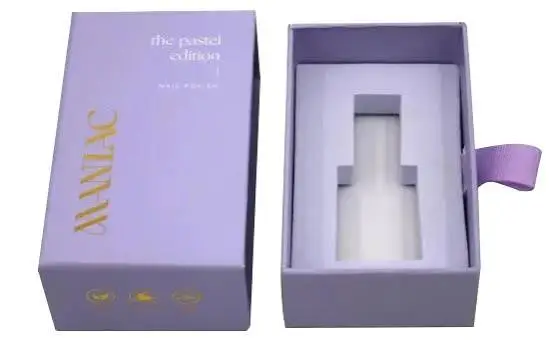
Reverse tuck end and straight tuck end boxes are among the most common retail formats, differing mainly in how the flaps fold and lock — reverse tuck typically gives a cleaner front panel for branding. Auto lock bottom boxes fold into a stable base automatically during assembly, which speeds up packing lines for higher-volume operations, while snap lock bottom boxes offer similar stability with a different fold pattern. Sleeve boxes use an outer sleeve over an inner tray for a two-layer presentation that reads as more premium than a single-piece box. Two-piece boxes — separate lid and base — are a standard choice for gift and luxury retail packaging. Magnetic closure boxes add a reusable closing mechanism often used in premium sets. Display boxes are built to double as point-of-sale fixtures, holding multiple units on a counter or shelf display. Window boxes let the product be seen without opening the packaging. Gable boxes, with a fold-up handle at the top, work well for gift or takeaway retail formats. Pillow boxes give a soft, curved silhouette suited to small gift or novelty items. Mailer boxes combine retail presentation with shipping durability, useful for e-commerce brands. Drawer boxes slide open like a small drawer, suiting jewelry or multi-item gift sets. Hanging boxes include a punched tab for peg-hook retail display. Four corner and six corner boxes are structural tray formats, with six corner designs offering more support for heavier or irregularly shaped products.
Offset printing delivers sharp, consistent detail and is generally the most cost-effective choice at higher volumes. Digital printing works better for smaller runs or designs that change frequently, since it avoids the plate setup costs of offset. Flexographic printing, common on corrugated stock, is efficient for simpler designs at scale. Pantone matching is worth using whenever exact brand color consistency matters across print runs, since standard CMYK can shift slightly batch to batch. High-resolution graphics support photography-heavy designs, which matters for cosmetics and food packaging where product imagery drives purchase decisions. Inside printing — branding or pattern on the interior of the box — adds a detail customers notice at the unboxing moment. Variable data printing allows unique codes, batch numbers, or even personalized elements to be printed within a run, useful for promotions or traceability.
Matte finish gives an understated, non-reflective surface, while gloss finish adds shine and contrast that suits bold, colorful designs. Soft touch lamination creates a velvety texture noticeable the moment a box is picked up. Spot UV adds glossy, raised detail to specific elements like a logo, set against a matte background for contrast. Embossing raises a design off the surface and debossing presses it inward, both adding tactile depth. Gold foil, silver foil, and holographic foil add metallic or light-reflective accents typically reserved for premium or limited product lines. Window patching applies a clear film over a die-cut window, protecting visible product while keeping the see-through element intact. Raised UV combines UV coating with a textured, dimensional feel. Textured coatings more broadly add surface interest — linen, leather-effect, or soft-grain textures — that shift how a box feels in hand, not just how it looks.
Retail boxes can be built to custom sizes rather than forced into stock dimensions, and structural design can be engineered around a specific product shape rather than a generic template. Custom inserts and product compartments hold items securely and prevent shifting, particularly important for multi-item sets or fragile goods. Die-cut windows let a product be visible without opening the box. QR codes and barcodes can be built directly into the print design, supporting both retail scanning requirements and customer-facing digital content like care instructions or brand storytelling. Hang tabs support peg-hook retail display, while tear strips make opening more convenient for the end customer. Security features — tamper-evident seals or specific closure mechanisms — matter for categories like supplements or cosmetics where product integrity needs to be visibly confirmed at purchase.
We offer FSC-certified materials sourced from responsibly managed forests, along with recyclable kraft, cardboard, and corrugated options. Compostable and biodegradable materials are available for certain box styles, though heavier laminates or foils can affect how a box breaks down, which is worth discussing at the design stage. Soy-based inks offer a lower-impact alternative to petroleum-based printing, and plastic-free builds are achievable for brands looking to avoid plastic window film or laminate coatings. We're careful not to oversell what any given material choice accomplishes — no packaging is entirely without environmental impact — but we'll help identify which options genuinely reduce it for your specific product and use case.
A few patterns are showing up consistently across retail categories right now. Minimalist packaging — simpler color palettes, more white space, less visual clutter — continues to gain ground, particularly in cosmetics and food. Sustainable packaging remains a genuine purchasing factor for a meaningful share of consumers, not just a marketing checkbox. Smart packaging, including QR-enabled boxes linking to digital content, is becoming more common as a way to extend the packaging's function past the point of sale. Personalized packaging — variable print elements, limited runs, or customer-specific details — is more accessible now with digital printing than it was with offset-only production. Premium unboxing experiences continue to matter most for e-commerce and gift categories, and luxury finishes like foil and soft-touch coating are appearing at more price points than they used to. Subscription-ready packaging, built for repeated recurring shipments with consistent branding, has grown alongside the broader subscription box market.
Ordering in bulk brings down per-unit cost and supports better inventory planning, since a larger production run of a consistent design reduces the frequency of reorders. Bulk ordering also keeps branding consistent across every unit, which matters for wholesalers and distributors supplying multiple retail accounts. We offer flexible production schedules and keep minimum order quantities low enough that smaller and growing brands aren't forced into wholesale volumes before they're ready for them, while still supporting the scale that enterprise brands need for nationwide distribution.
Our design team provides free support in turning your logo or concept into print-ready artwork. We keep minimum order quantities low and pricing at wholesale rates, since we manufacture directly rather than through layers of resellers. We give a specific production timeline once we've reviewed your box specifications, rather than a fixed promise that may not hold once print and finishing details are factored in. Shipping is free nationwide across the USA. We work with premium materials suited to a wide range of product categories and offer advanced printing and finishing options across both offset and digital production. Our packaging consultants work directly with clients on structural and material decisions, backed by dedicated customer support and a quality inspection step before any order ships.
Copyright © 2026 www.thunderpackaging.com All rights reserved.


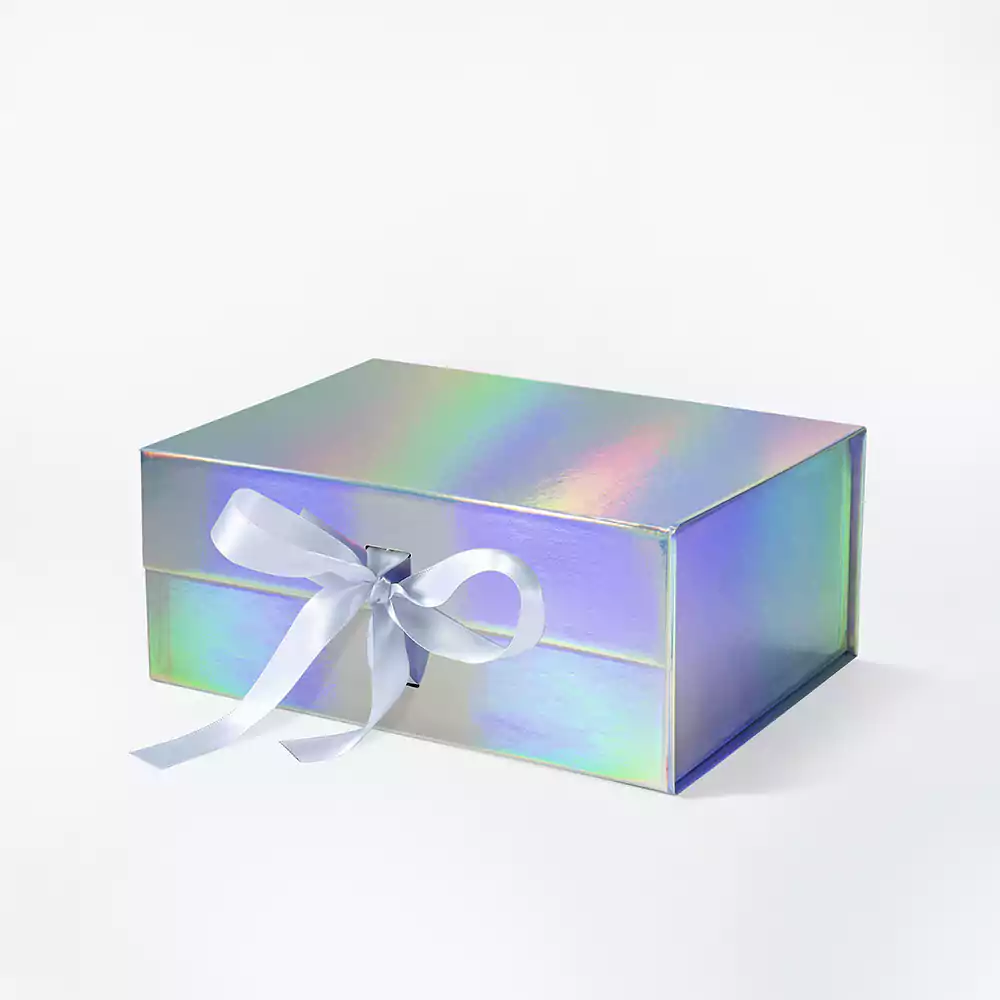 Holographic Magnetic Closure Boxes
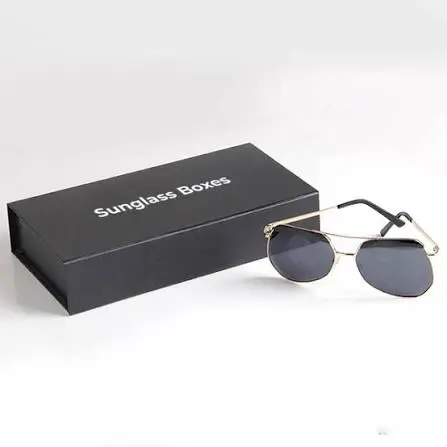 Rigid Sunglasses Boxes
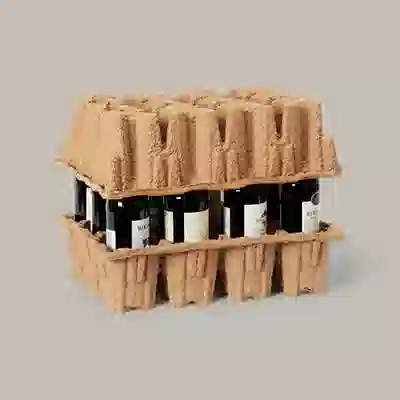 Molded Pulp Packaging
 Holographic Rigid Boxes
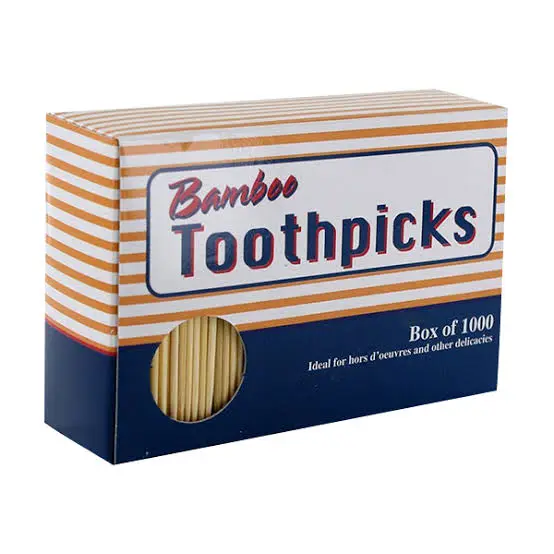 Toothpick Boxes
 Dispenser Boxes
 Business Card Boxes
 Attar Packaging
 Air Freshener Packaging
 PR Boxes For Books
 Gum Packaging
 Edible Packaging