Cosmetic packaging carries more pressure than most retail categories, because color, texture, and finish quality are part of what the product is selling. A foundation, a skincare serum, or a palette of eyeshadow is judged partly on how it looks in the box before it’s ever swatched, which means the packaging has to reproduce color accurately, protect often-fragile glass or compact components, and hold up to repeated handling on a busy retail counter or in an e-commerce fulfillment center. At wholesale volume, that presentation standard has to hold consistently across every unit in a production run, not just look good in a single sample.
Cosmetic brands, private label manufacturers, distributors, and retailers all need packaging that performs at scale — the same color accuracy, the same structural fit, and the same finish quality whether it’s the first case off the line or the thousandth. Thunder Packaging USA manufactures custom wholesale cosmetic boxes for brands supplying multiple retail accounts, private label programs, and manufacturers producing at volume, with production built around keeping every unit consistent from the first run through every reorder after it.
Bulk pricing is structured to bring down per-unit cost as order volume increases, which matters directly to margin in a category where packaging cost is a real line item against product pricing. We manufacture directly rather than through resellers, which is part of how wholesale rates stay genuinely competitive.
We give a specific production timeline for wholesale volumes once we’ve reviewed your order size and finish requirements, since cosmetic packaging with foil, embossing, or fitted inserts takes more planning at scale than a simpler box. Shipping is free across the United States regardless of order size, and our design team can build and retain print-ready files for reorders, so private label brands and distributors aren’t resubmitting artwork every time a new production run is needed.
Order quantities are flexible enough to support a smaller cosmetic brand scaling into wholesale for the first time, as well as an established manufacturer running recurring bulk production. Materials and finishes are chosen based on the specific product — color reproduction needs for makeup, glass protection for skincare bottles, or simple structural efficiency for bulk private label runs.
Wholesale cosmetic packaging typically spans the individual retail-facing box and the bulk shipping cartons that move multiple units between manufacturer, distributor, and retailer. The individual box still needs the color accuracy, structural fit, and finish quality any cosmetic product requires, but at wholesale volume, consistency across the full run becomes the priority — a shift in color calibration or box fit between production batches shows up fast when a distributor is stocking the same product across several retail accounts. Bulk shipping cartons, usually corrugated, need to protect stacked retail boxes during freight and warehouse handling without adding unnecessary cost to a high-volume order.
For private label programs specifically, locking a specification — dimensions, material, print file, and finish — on file avoids renegotiating details on every reorder. That matters for distributors and private label brands managing packaging across a wide product catalog, where re-approving every detail each cycle isn’t a practical use of time.
Rigid board remains standard for premium cosmetic lines even at wholesale scale, since distributors selling higher-end skincare or makeup still need packaging that reflects that price point across every unit. SBS paperboard offers the smooth, bright surface needed for accurate color reproduction, which matters more in cosmetics than almost any other category, since customers judge shade and finish partly from the box itself. Kraft paperboard fits clean-beauty or natural-positioned cosmetic lines sold at wholesale volume. Corrugated cardboard is typically used for the outer cartons that hold multiple retail units together during bulk shipping — rarely seen by the end customer, but what actually determines whether product arrives at a retail account undamaged.
Inserts, whether foam, fitted trays, or molded compartments for bottles and compacts, need to be consistent across every unit in a run, since a slight variance that’s tolerable in a small batch compounds into real breakage risk across thousands of units.
Color accuracy matters more in cosmetic packaging than in most categories, since shade representation directly affects a customer’s purchase decision. Pantone matching is worth using at wholesale volume specifically, since standard CMYK can shift slightly between print runs — a shift a single retail order might not notice becomes visible across a large batch supplying multiple accounts. Offset printing generally suits higher-volume wholesale runs well, delivering consistent color and detail at a lower per-unit cost than digital printing at scale. Finishing options — soft-touch coating, spot UV, foil stamping, embossing — remain available at wholesale volume, though it’s worth confirming early in the process that a chosen finish can be reproduced consistently across the full order size, since some premium finishes are more sensitive to batch variation than others.
A single retail cosmetic order tolerates minor variation in a way a wholesale reorder can’t. If a distributor is supplying the same skincare line to a dozen retail accounts, a shift in box color, finish, or dimension between production runs creates a visibly inconsistent product line on the shelf, which reflects on the brand more than the packaging itself. Reliable, repeatable production is what lets a distributor or private label brand stock packaging with confidence rather than re-inspecting every new shipment. Cost efficiency compounds at volume too — a small per-unit savings on a wholesale cosmetic run adds up meaningfully across thousands of units, which is part of why bulk pricing structures matter more here than for a single retail packaging order.
We offer eco-conscious materials for wholesale cosmetic packaging, including recyclable kraft and corrugated stock, FSC-certified paper sourced from responsibly managed forests, and soy-based inks as an alternative to petroleum-based printing. At wholesale volume, material choice has a larger cumulative environmental footprint than a single retail order, which is worth weighing alongside cost and finish requirements. We don’t present any option as fully without environmental impact, but we can help identify which materials genuinely reduce that footprint at the volumes wholesale cosmetic buyers typically order.
Copyright © 2026 www.thunderpackaging.com All rights reserved.


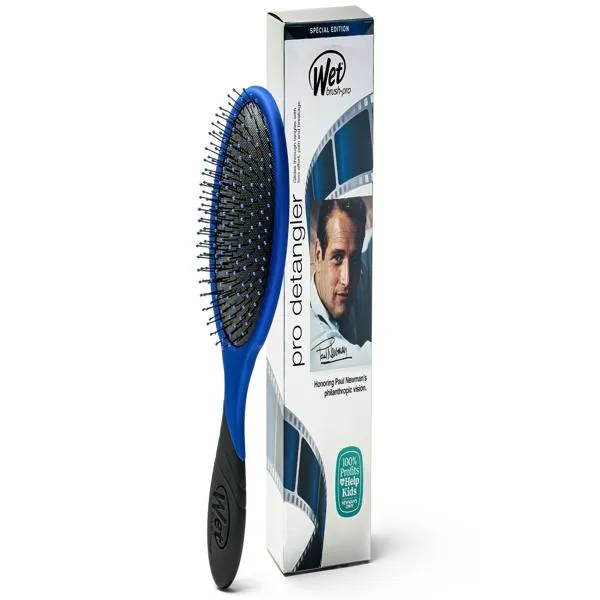 Custom Hairbrush Packaging Boxes
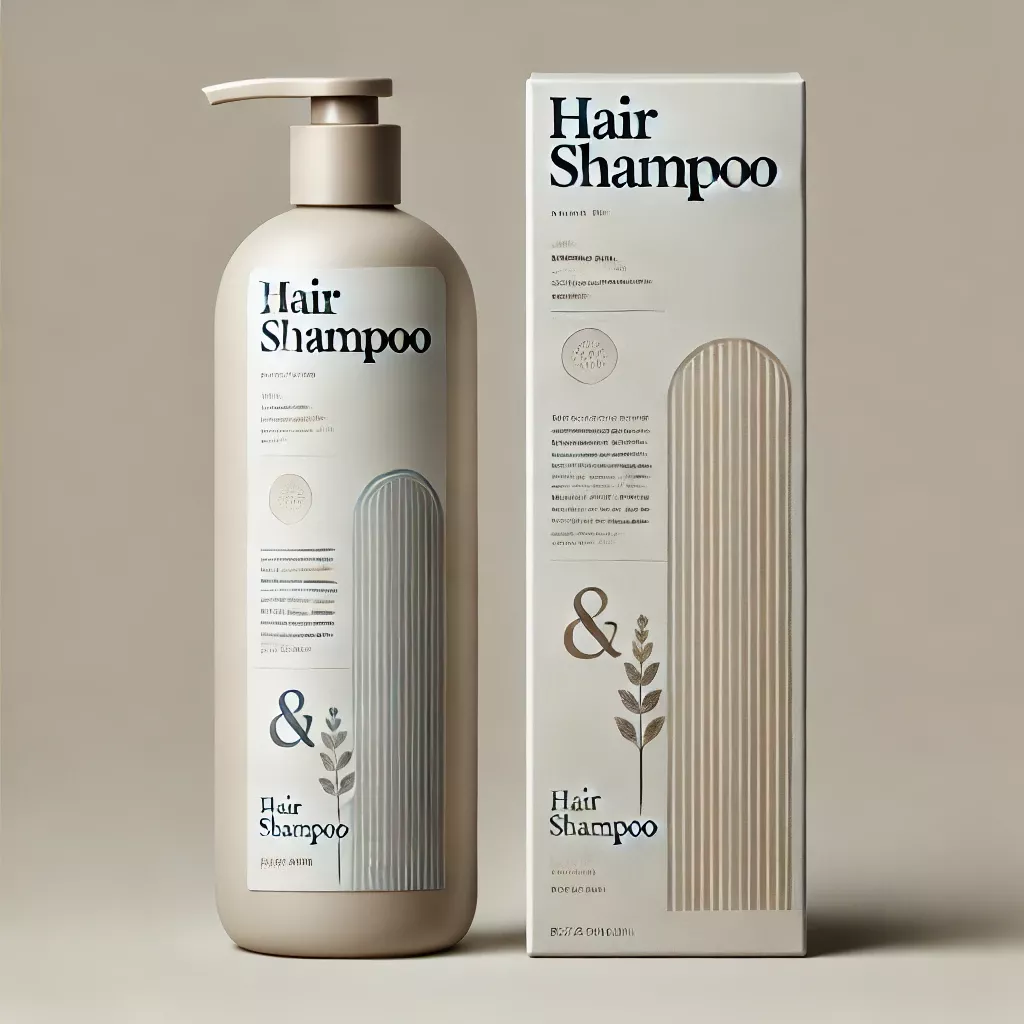 Shampoo Packaging
 Plastic Perfume Bottle Boxes
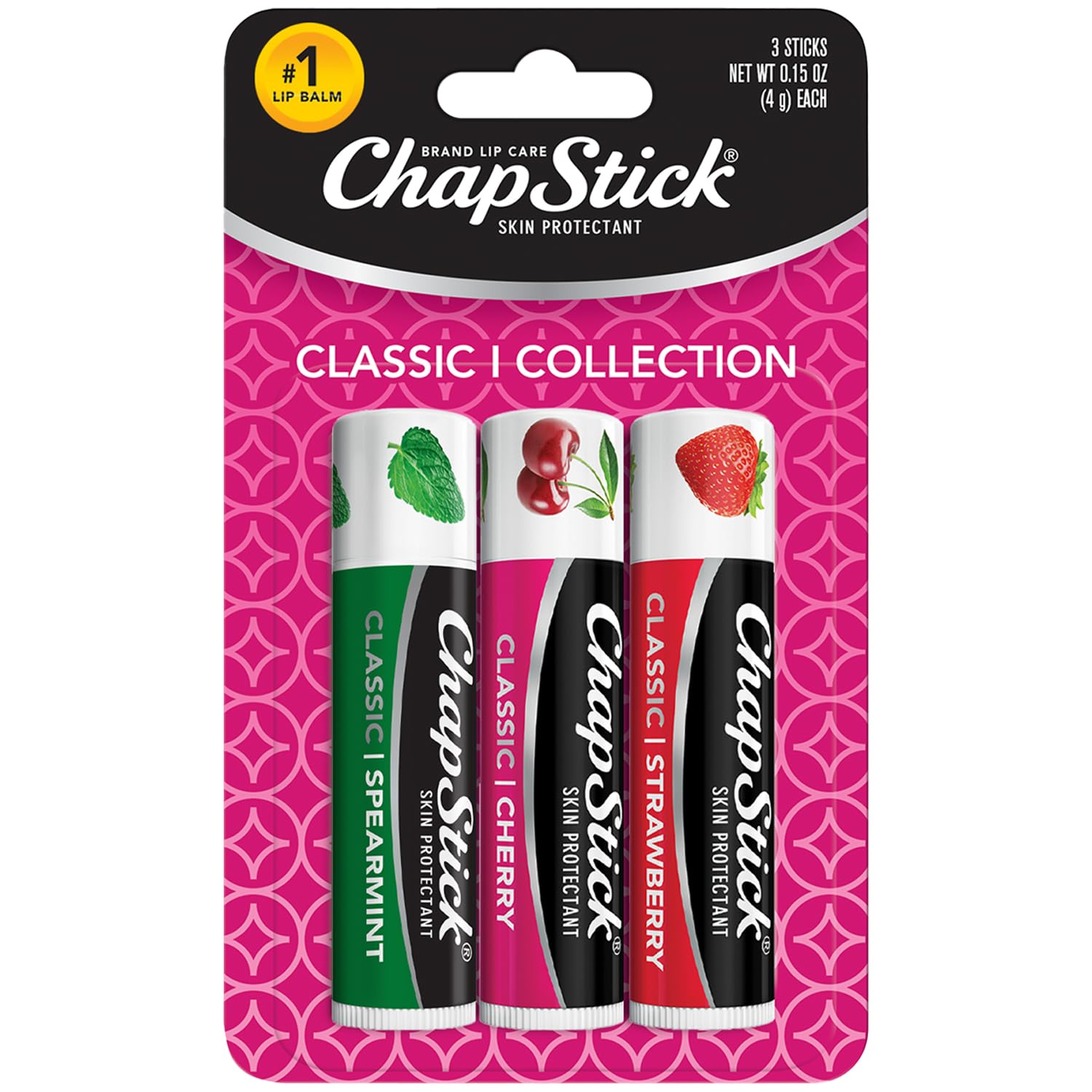 Chapstick Tubes Packaging
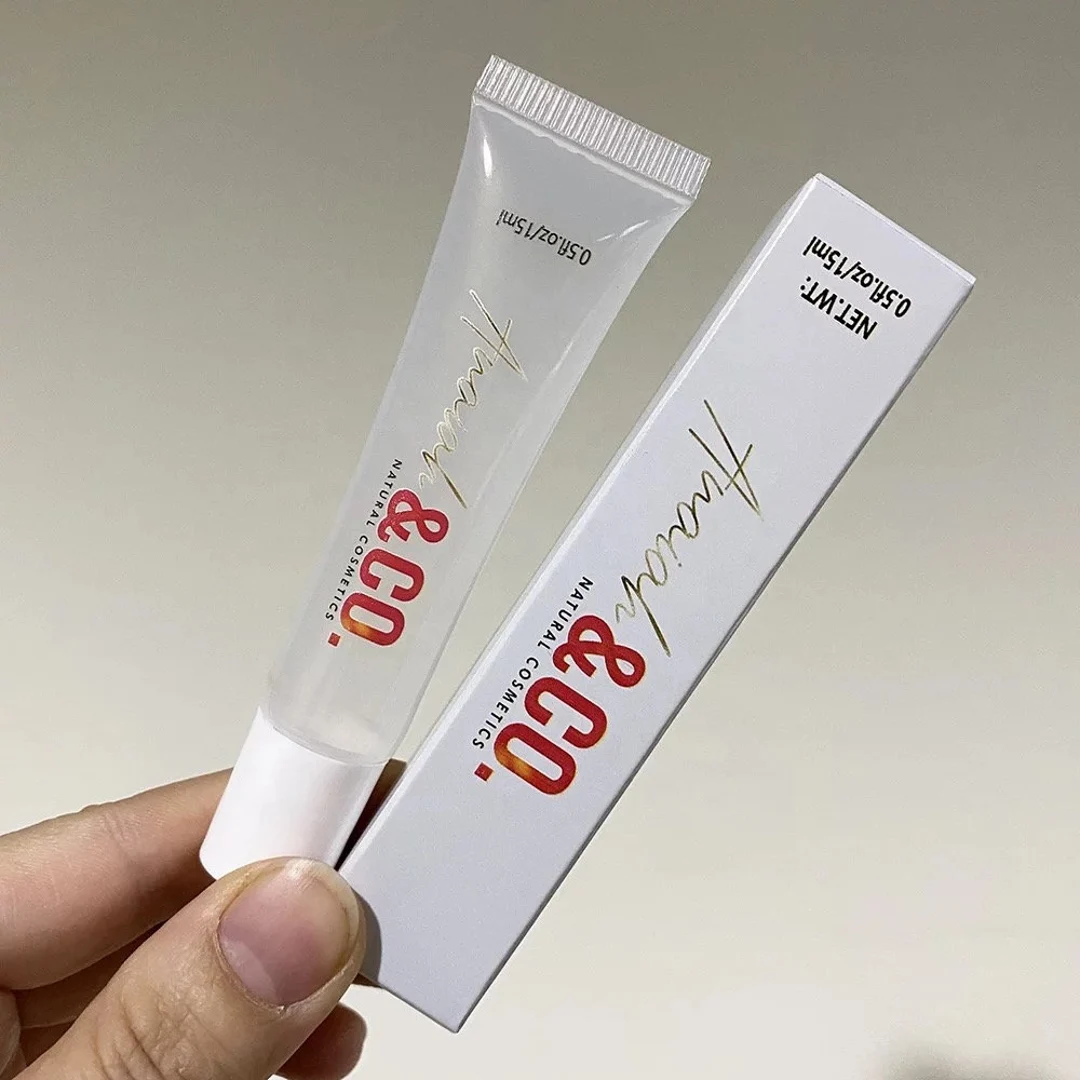 Lip Gloss Squeeze Tubes
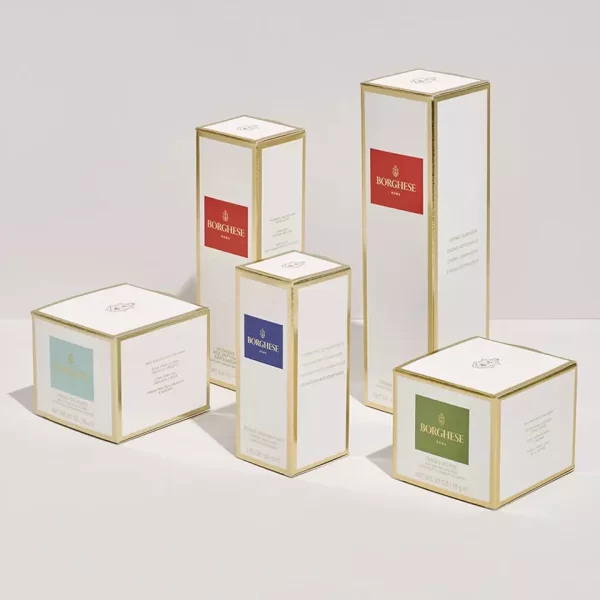 Lotion Jars Packaging
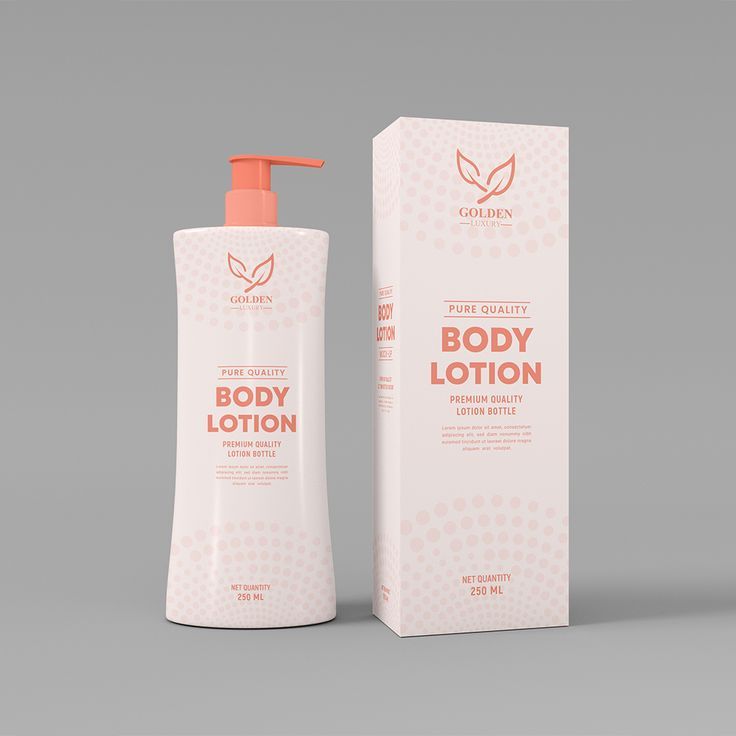 Lotion Bottle
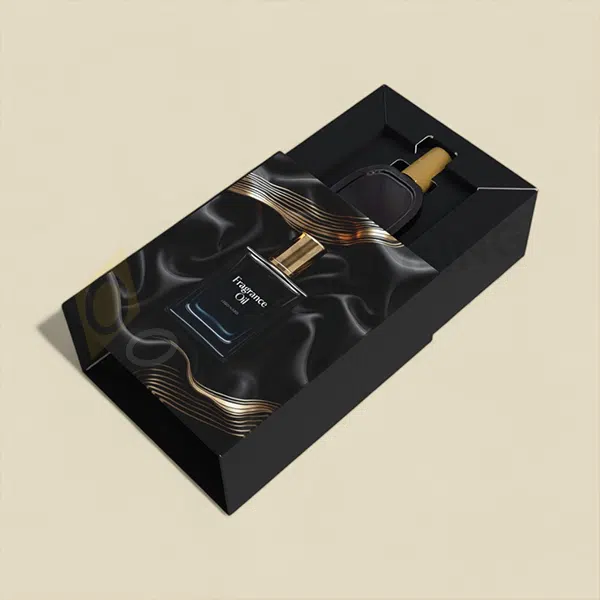 Fragrance Oil Packaging
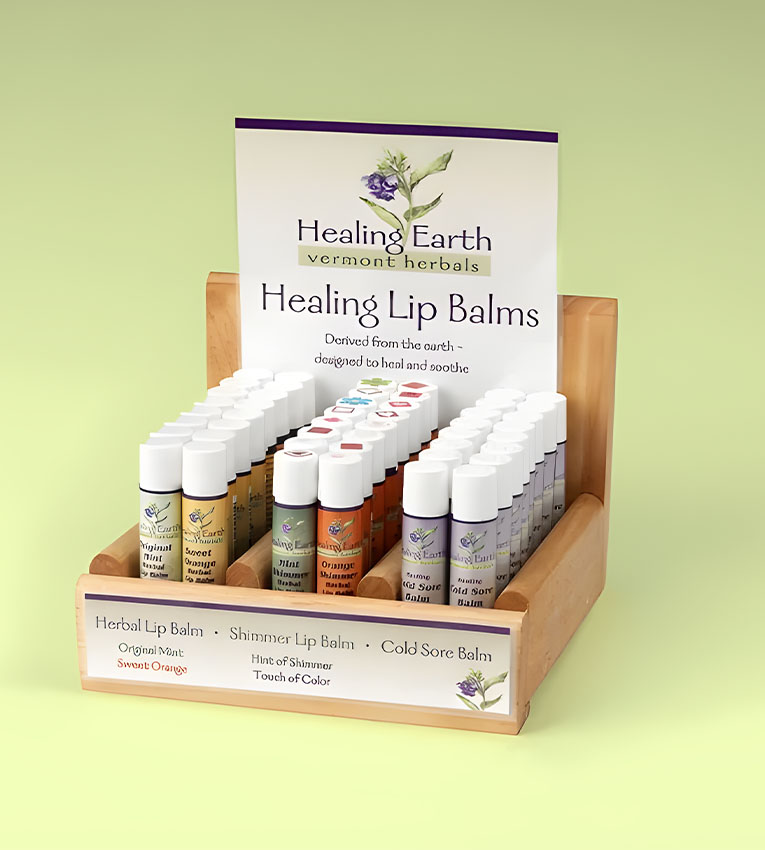 Lip Balm Display Boxes
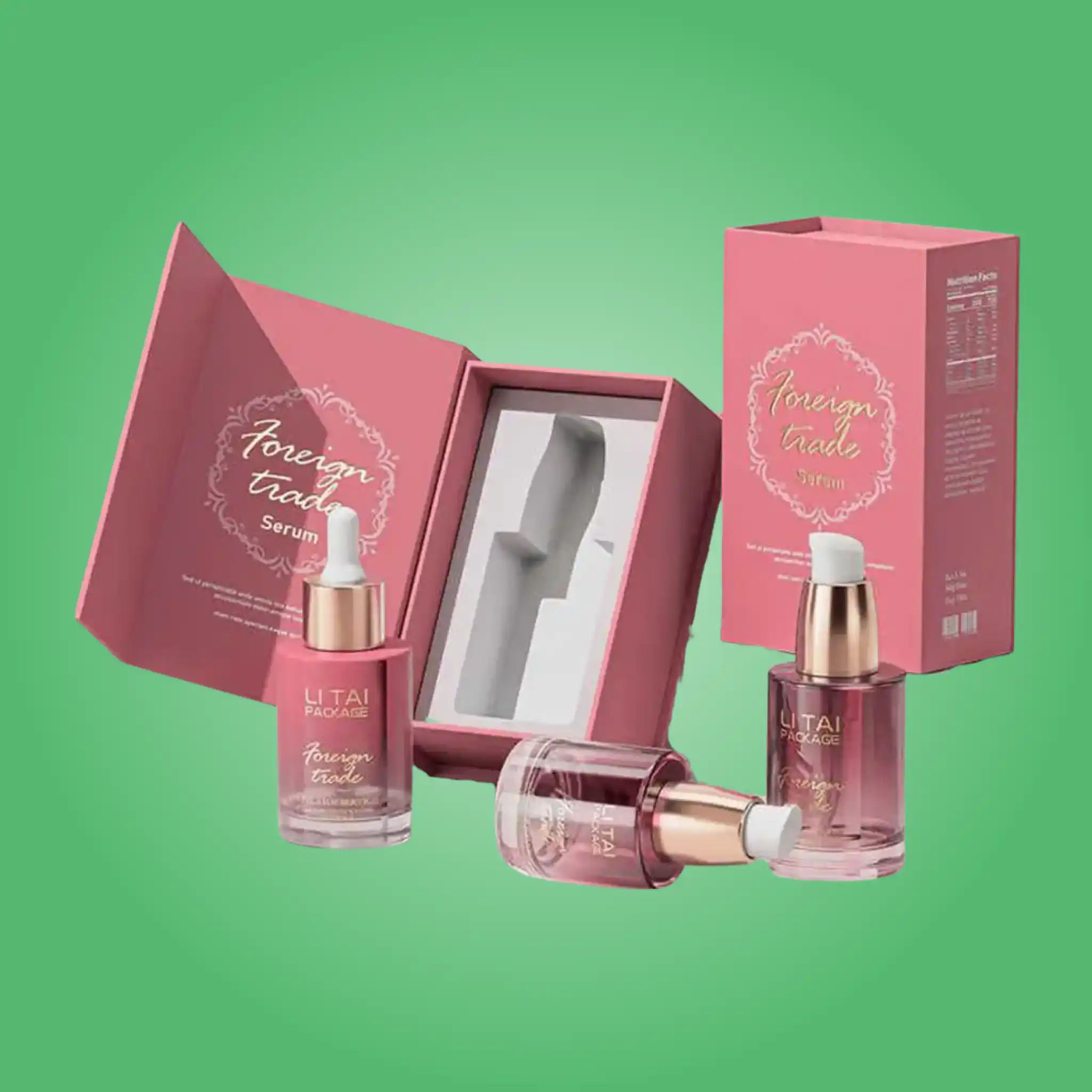 Serum Boxes
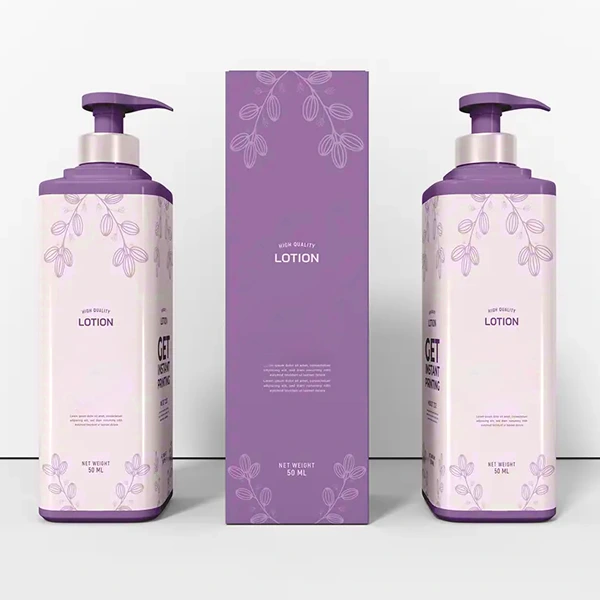 Lotion Boxes
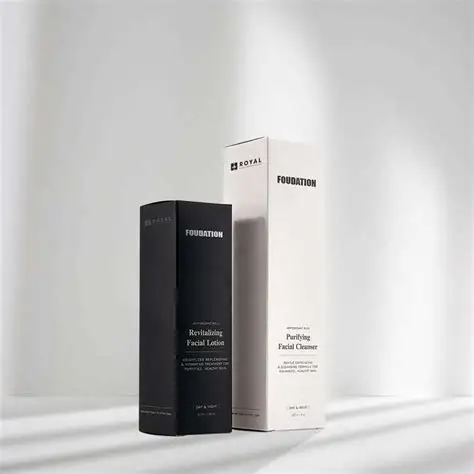 Foundation Boxes