Pre-roll packaging has become one of the more competitive shelves in any dispensary, largely because pre-rolls are sold as a finished, ready-to-use product rather than something a customer packages themselves at home. That puts more weight on the box: it has to protect a delicate product through handling and transport, hold up in a retail display, and communicate brand identity in a category where a lot of products look similar side by side. Licensed cannabis brands, CBD companies, hemp brands, and multi-state operators all work with this packaging, but requirements shift depending on whether the product is a single pre-roll, a multi-pack, or a premium collection meant for a higher price point. Structural integrity matters here more than in a lot of other packaging categories, since pre-rolls are physically fragile and can be damaged by pressure, moisture, or rough handling during shipping. At the same time, dispensary shelves are visually crowded, so print quality and finish play a real role in whether a product gets picked up at all. Thunder Packaging USA manufactures custom pre-roll packaging boxes for licensed producers, distributors, and brands across the United States, working through material, structure, and print decisions specific to this product category. This page covers packaging only — for questions about product formulation, compliance, or applicable state regulations, licensed businesses should consult their own regulatory or legal counsel.
Pre-roll packaging boxes are the retail-facing packaging built specifically to hold, protect, and present pre-rolled products from production through the point of sale. Their core purpose is straightforward: keep a physically delicate product intact, present it in a way that supports the brand, and hold up under normal retail handling. This is different from a shipping carton, which is typically a plain, unbranded box used to move product in bulk between facilities and isn't seen by the retail customer. Pre-roll packaging, by contrast, is meant to be seen and handled directly — it often sits behind a dispensary counter or on a shelf, and in many cases functions as part of the unboxing and storage experience once a customer takes it home. Structurally, it needs to keep the product from shifting, crushing, or absorbing moisture, while branding elements — logo, color, finish — communicate quality and consistency across a product line. For wholesale and distribution use, consistent packaging also makes it easier for retailers and distributors to identify and organize inventory across multiple SKUs.
Single pre-rolls typically need a compact, well-fitted box or tube that holds one unit securely without excess empty space that could allow movement during transit. Multi-pack pre-rolls require internal dividers or compartments so individual units don't rub against or crush each other, which also helps a retailer see at a glance how many units remain. Infused and other specialty formulations often call for slightly more protective structural design, since these products can be more delicate or denser than standard pre-rolls. CBD and hemp pre-roll packaging generally follows similar structural principles, though labeling requirements and available shelf space for required information can differ, which is worth confirming with your compliance team before finalizing artwork. Mini pre-rolls need proportionally scaled inserts, since standard-sized compartments can leave smaller units loose inside the box. Premium pre-roll collections — multi-unit sets marketed at a higher price point — tend to benefit from rigid construction and additional finishing, since presentation carries more weight at that end of the market. Promotional sample packs are usually built for lower per-unit cost and simpler structure, prioritizing volume and brand exposure over premium finish.
SBS (solid bleached sulfate) paperboard offers a smooth, bright surface that reproduces detailed print work cleanly, making it a common choice where photography or intricate branding is part of the design. Kraft paperboard gives a more natural, textured look often used by brands positioning around a simpler or more organic identity, and it's a reasonably economical option for mid-volume runs. Corrugated cardboard adds structural strength and is a solid choice when packaging also needs to double as a shipping-safe container, particularly for multi-pack or bulk configurations. Rigid board doesn't fold flat and provides a noticeably heavier, more premium feel, which fits pre-roll lines positioned at a higher price point. Eco-friendly paperboard options are available for brands prioritizing recyclability or reduced material impact, though the right choice still depends on how moisture-sensitive the product is and how the box will be handled and stored. Moisture resistance is a real factor across all pre-roll packaging, since even brief exposure to humidity can affect product quality — material and coating choices should account for storage and shipping conditions realistically, not just shelf appearance.
Reverse tuck end and straight tuck end boxes are common, economical formats suited to single or small multi-pack pre-rolls, differing mainly in flap fold direction and how the front panel reads visually. Drawer boxes, which slide open like a small drawer, work well for multi-packs where a retailer or customer needs to see contents without fully separating lid from base. Slide boxes offer a similar sliding mechanism in a more compact format, often used for single units. Magnetic closure boxes add a reusable, higher-end closing mechanism suited to premium collections. Display boxes are built to double as point-of-sale fixtures, holding multiple units for dispensary counter display. Mailer boxes combine retail presentation with the structural strength needed for direct shipping to distributors or retail partners. Two-piece rigid boxes — separate lid and base — suit premium pre-roll lines where unboxing presentation matters. Book-style boxes, which open like a hardcover book with a magnetic or ribbon closure, are typically reserved for top-tier collections. Window boxes allow visible product presentation without opening the packaging, which can help at retail, though window placement and size should be considered alongside any required label space.
Many licensed markets have requirements around child-resistant packaging for cannabis and related products, and structural design can support features commonly associated with child-resistant packaging, such as specific closure mechanisms, multi-step opening actions, or reinforced locking flaps. That said, whether a specific design actually meets child-resistant certification standards depends on testing against the applicable regulatory standard for your market, and we don't claim that any given structure is certified child-resistant unless it has been independently tested and verified as such. If child-resistant packaging is a requirement for your product and market, we'd recommend confirming the specific certification standard that applies to you before finalizing a structural design, and working with your compliance team to verify the final packaging meets it.
Offset printing delivers sharp, consistent color and detail, generally the more cost-effective option at higher production volumes. Digital printing suits smaller runs or designs that change between batches, since it avoids the setup cost of offset plates. CMYK printing covers most full-color artwork, while Pantone matching is worth using when a specific brand color needs to stay exactly consistent across print runs — useful for brands operating across multiple states where packaging consistency matters for recognition. Inside printing adds branding or pattern to the interior of the box, a small detail noticeable at the point of use. Variable printing allows unique batch codes or identifying information to be printed within a run, which can support inventory tracking or the label areas some markets require. High-resolution graphics support detailed artwork or photography, useful for brands building a distinct visual identity across a competitive dispensary shelf.
Matte finish provides a soft, non-reflective look, while gloss finish adds shine and contrast for bolder designs. Soft-touch lamination creates a velvety surface texture that's immediately noticeable when a box is picked up. Spot UV highlights specific elements — a logo or icon — with a glossy, raised coating set against a matte background. Embossing raises a design off the surface and debossing presses it inward, both adding tactile dimension that stands out on a shelf. Gold foil, silver foil, and holographic foil add metallic or reflective detailing typically reserved for premium product lines. Raised UV combines a UV coating with textured dimension for added shelf presence. Each of these finishes affects perceived value more than function, which matters in a category where packaging often does a meaningful share of the selling.
Boxes can be engineered to custom sizes built around your specific product format rather than generic stock dimensions, with structural engineering tailored to single units, multi-packs, or premium sets. Custom inserts and compartments keep individual units secure and separated, reducing crushing or shifting during handling. Die-cut windows allow visible product presentation where appropriate. QR codes can link to lab results, brand content, or other digital information, and batch information areas and barcode printing can be built into the design to support inventory tracking and any labeling your market requires. Tamper-evident features support product integrity assurance at the point of sale. Brand messaging space can be reserved on interior or exterior panels for anything from usage instructions to brand storytelling, laid out during the design stage so it doesn't compete with required label information.
We offer FSC-certified paper sourced from responsibly managed forests, along with recyclable kraft, cardboard, and paperboard materials. Plastic-free packaging builds are achievable for brands looking to avoid plastic laminates or window film. Soy-based inks offer a lower-impact printing alternative to petroleum-based options. Our manufacturing approach generally favors material efficiency and reduced waste in production, though we're careful not to overstate what any single material choice accomplishes — no packaging option is entirely without environmental impact, and the right sustainable choice depends on your product's specific protection and moisture-resistance needs as much as its environmental profile.
Cannabis and related packaging is subject to labeling, warning, and information requirements that vary by state and by product category, and these requirements can affect available design space, required panel placement, and structural features like child-resistant closures. We can help design packaging that reserves appropriate space for labels, warnings, batch information, and barcodes based on the specifications you provide. That said, we're a packaging manufacturer, not a regulatory or legal authority — we don't offer legal advice, and we don't guarantee that a given design meets the requirements of any specific state or jurisdiction. We'd strongly recommend confirming current labeling and packaging requirements with your compliance team or legal counsel before finalizing artwork, since these regulations do change and vary significantly by market.
Bulk ordering brings down per-unit cost, which matters for producers and multi-state operators managing packaging across high SKU counts. Ordering in volume also supports better inventory planning, since a larger production run of a consistent design reduces how often you need to reorder. Consistent packaging across a product line matters particularly for distributors and MSOs managing brand presentation across multiple retail accounts or states. We offer flexible order quantities, so a smaller or newly licensed business isn't forced into the same volume commitment as an established multi-state operation.
Our design team offers free support turning your logo and brand assets into print-ready artwork. We keep minimum order quantities low and set pricing at wholesale rates, since we manufacture directly. We provide a specific production timeline once we've reviewed your order details, rather than a fixed promise that doesn't account for finishing complexity or order volume. Shipping is free nationwide across the USA. We work with premium materials suited to the moisture-resistance and structural needs of pre-roll products specifically, backed by high-quality offset and digital printing. Our packaging specialists work directly with licensed businesses on structural and material decisions, supported by dedicated customer service and a quality control step before any order ships.
Copyright © 2026 www.thunderpackaging.com All rights reserved.


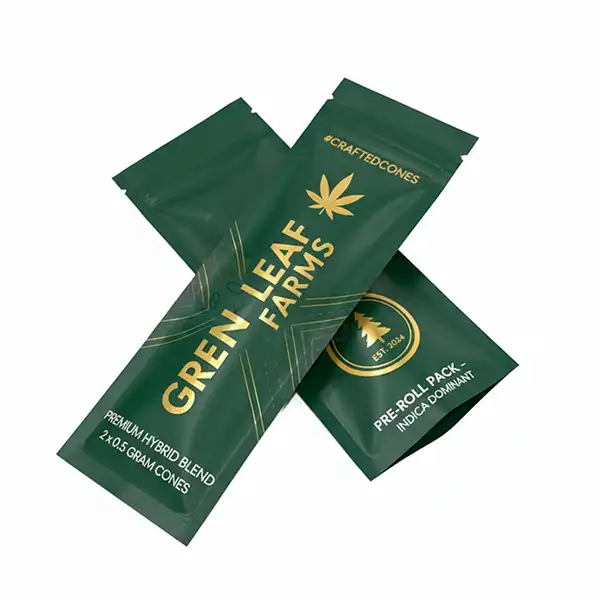 Custom Pre Roll Mylar Bags
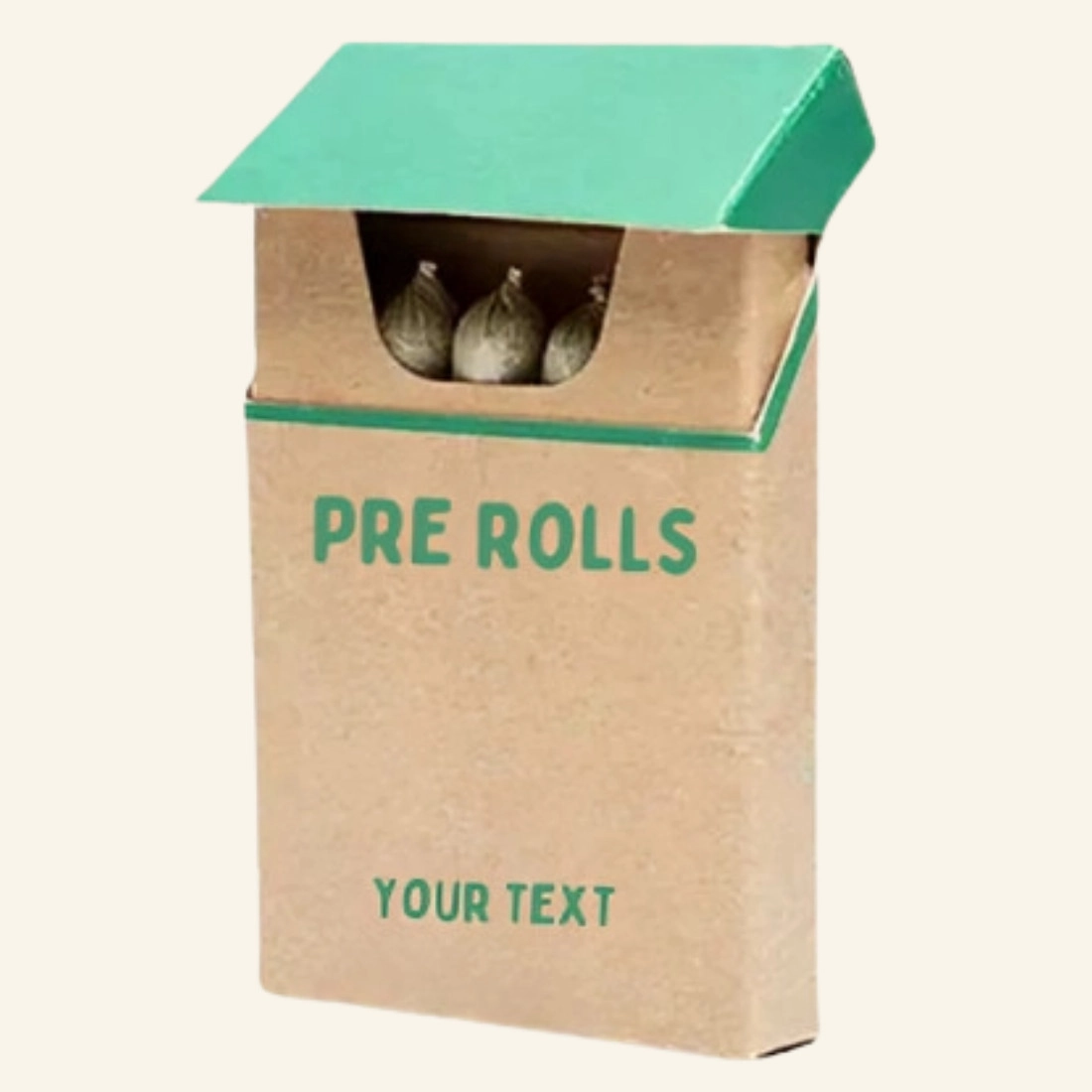 Pre Rolled Joint Boxes
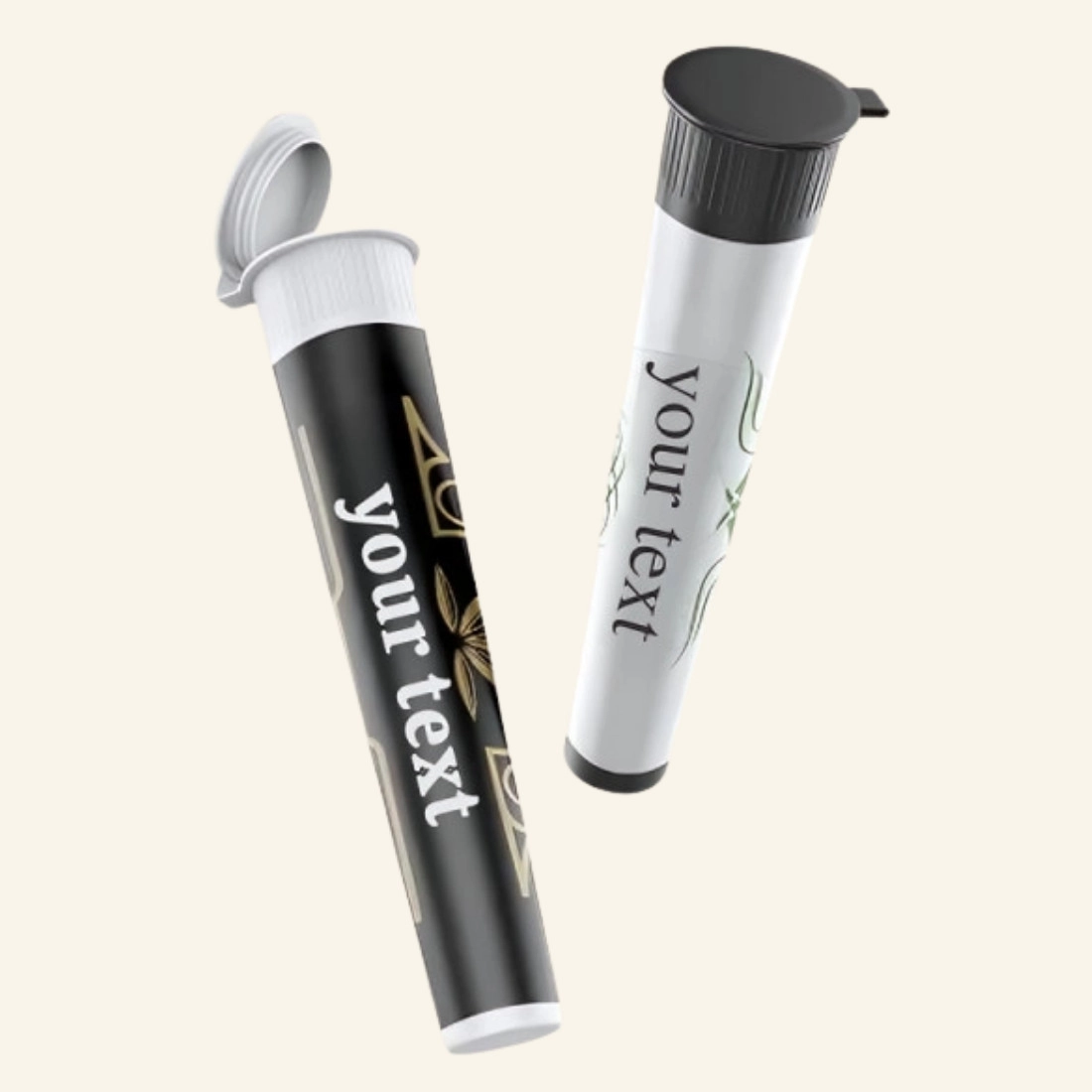 Pre Roll Packaging Labels
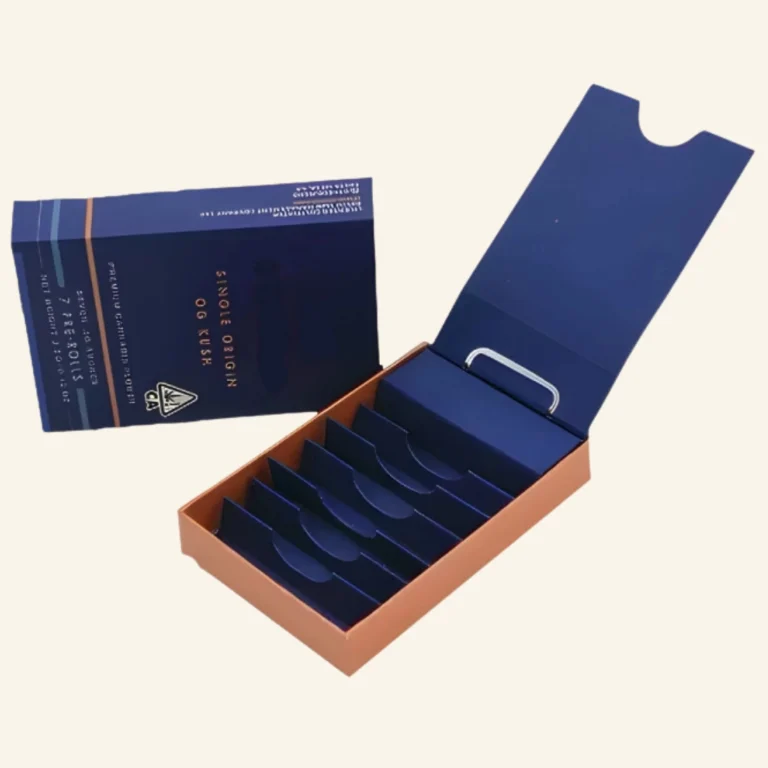 Luxury Pre Roll Packaging
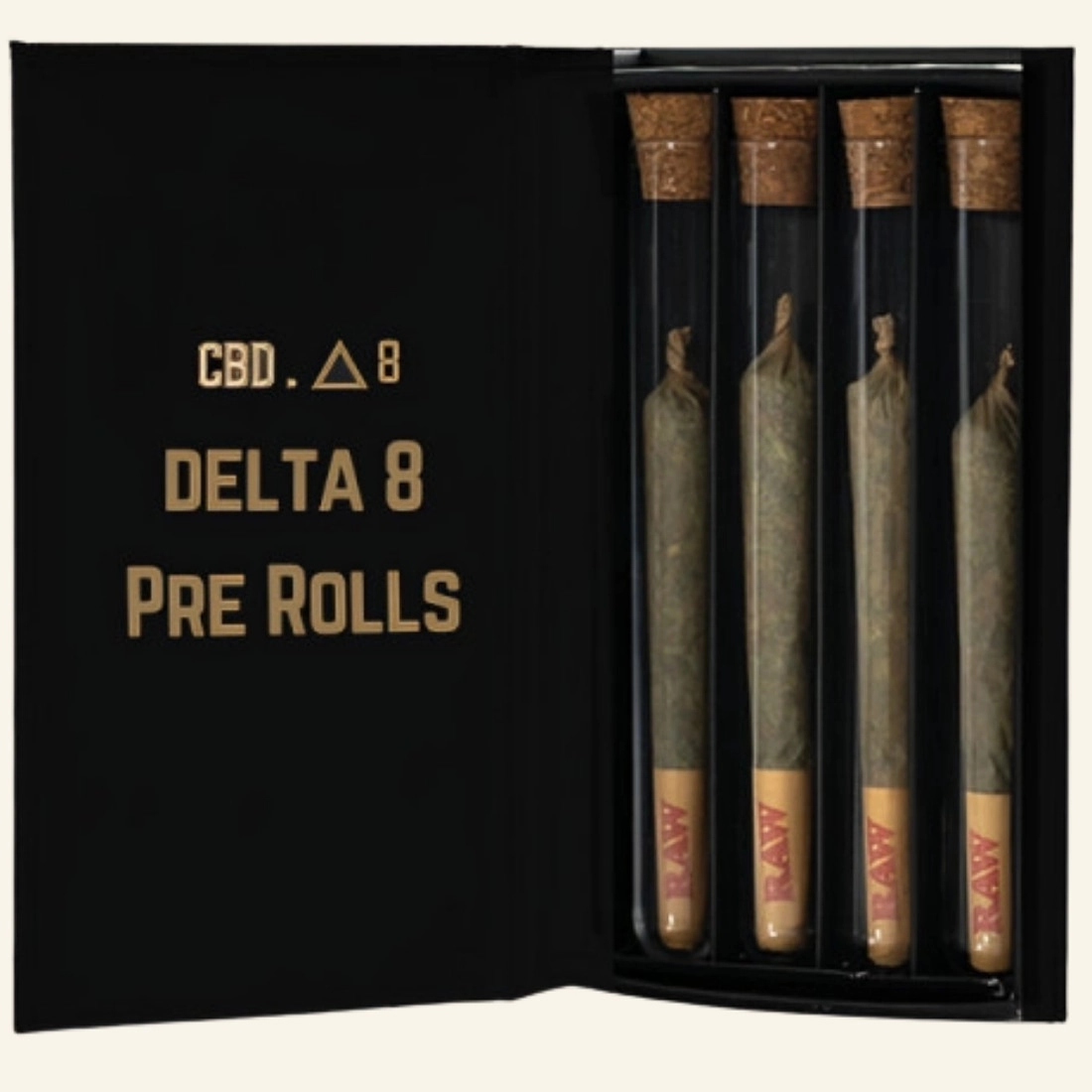 Delta 8 Pre Roll Boxes
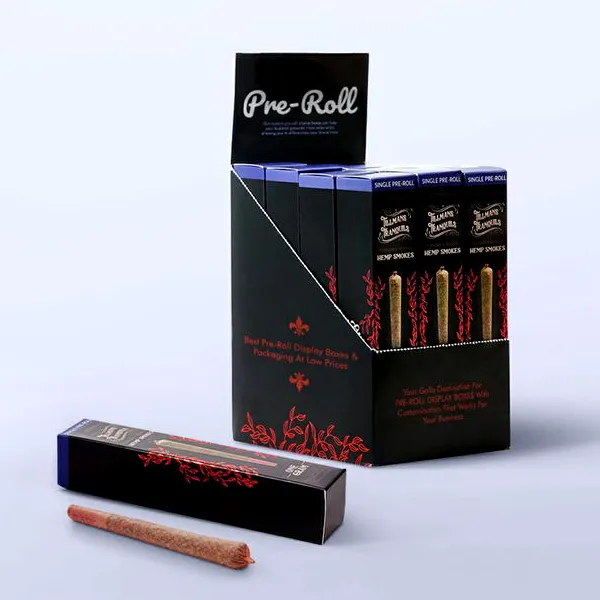 Pre Roll Display Boxes
 Cannabis Pre Roll Packaging
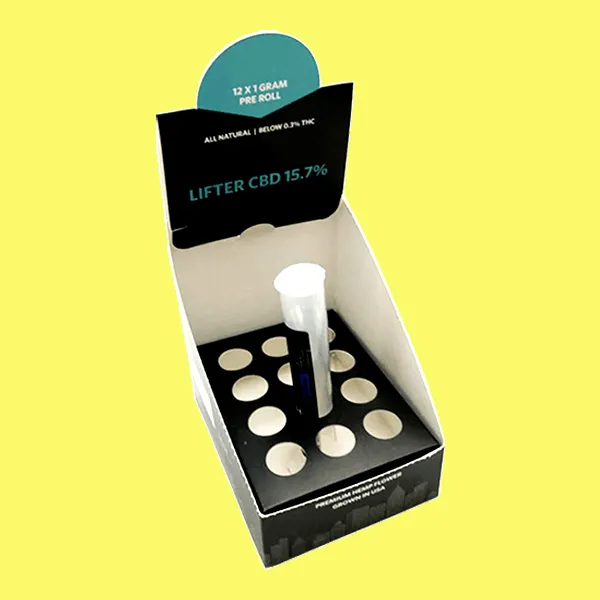 Pre Roll Cone Packaging