Food boxes carry a requirement most other packaging categories don’t: whatever touches the product has to be safe for that contact, on top of everything else packaging normally needs to do. That single factor shapes almost every material and construction decision in this category, from bakery boxes and snack packaging to meal kits, specialty food gifts, and grab-and-go retail formats. Bakeries, snack brands, specialty food companies, meal kit services, e-commerce food sellers, and wholesale food distributors all rely on this packaging, and the specifics shift a lot depending on the product — a bakery box holding something fresh and slightly greasy has different needs than a shelf-stable snack box or a frozen meal kit carton. Beyond food safety, packaging in this category also has real practical jobs to do: keeping products fresh, preventing crushing or leaking during transport, and communicating brand and product information clearly on a shelf crowded with competitors. Thunder Packaging USA manufactures custom food boxes for brands across this range, working through material and structural decisions specific to each product, since the right box for a delicate pastry isn’t the right box for a bulk snack shipment.
We keep minimum order quantities low, which matters for food brands testing a new product or running a smaller seasonal batch before committing to a full production run. Pricing is set at wholesale rates because we manufacture directly rather than through a chain of resellers.
We give a specific production timeline once we’ve reviewed your box specifications, since food packaging construction — grease resistance, structural venting, or freshness sealing — often takes more planning than a standard retail box. Shipping is free across the United States, and our design team helps convert your logo and product artwork into print-ready files at no added cost.
Boxes are built to your product’s exact dimensions rather than a generic stock size, with materials selected based on what the specific food product actually needs — moisture resistance, grease resistance, or simple structural protection for shelf-stable goods. Premium printing and multiple finishing options are available for brands that want retail packaging to stand out, and as a US-based manufacturer, we keep communication direct and lead times predictable.
Material choice in food packaging depends heavily on what’s actually touching the box. Food-safe kraft paperboard is a common choice for bakery items, snacks, and other direct-contact products, offering a natural look that pairs well with many food brand identities. Corrugated cardboard adds structural strength for bulkier shipments, meal kits, or products that need to survive stacking and freight handling. Rigid board suits premium specialty food gifts or higher-end product lines where presentation carries more weight. Grease-resistant coatings are available for products like baked goods or fried snacks where standard paperboard would otherwise absorb oil and weaken over time. Box styles include auto-lock bottom boxes for bakery and snack items, which assemble quickly on a packing line, window boxes that let customers see baked goods or product color before purchase, and reinforced mailer boxes for direct-to-consumer food shipments that need to survive transit intact.
Printing runs through offset and digital methods in full CMYK, useful for food branding that often relies on strong color accuracy for product photography. Finishing options include matte or gloss lamination and spot UV for logo detail, though food packaging generally favors clean, legible design and required label space over heavy decorative finishing. Custom inserts, dividers, or compartments help keep multi-item food boxes organized, which matters for gift-style food assortments or meal kits with multiple components.
Bakeries and pastry brands rely on this packaging for products that need grease resistance and gentle structural support to avoid crushing delicate items. Snack food companies need packaging that balances shelf appeal with practical considerations like stacking and freshness. Specialty and gourmet food brands often use premium packaging for gift-tier products, where presentation plays a bigger role than in everyday grocery packaging. Meal kit and prepared food services need structurally sound boxes that keep multiple components organized and protected during shipping, often alongside temperature considerations that affect material choice. E-commerce food sellers need packaging that survives shipping without compromising freshness or presentation. Wholesale food distributors need consistent, cost-efficient packaging that holds up across high order volumes supplying multiple retail accounts.
Food safety considerations mean packaging decisions in this category carry more weight than pure aesthetics from the start. Beyond that baseline requirement, freshness protection is a genuine functional job — packaging that lets moisture in or doesn’t seal properly shortens a product’s usable shelf life regardless of how good the recipe or ingredients are. Shelf appeal still matters for retail-facing food products, where clear branding and appetizing product photography influence purchase decisions in a crowded grocery or specialty aisle. For e-commerce and meal kit brands, structural integrity during shipping directly affects whether a customer’s order arrives in usable condition, which matters more here than in most non-food categories since a damaged food shipment often can’t simply be reused or resold. Consistent packaging across a product line also supports brand recognition for food companies selling multiple SKUs or seasonal items.
We offer eco-conscious materials for food brands that want their packaging to reflect sustainability values without compromising the food-safety requirements this category depends on. This includes recyclable kraft and corrugated materials, FSC-certified paper sourced from responsibly managed forests, and soy-based inks as an alternative to petroleum-based printing. Biodegradable and compostable options are available depending on box style, though grease-resistant or moisture-barrier coatings can affect compostability — worth discussing at the design stage if that’s a priority for your brand. We don’t market any packaging as fully without environmental impact, but we’re transparent about which choices genuinely reduce that impact while still meeting food-safe handling requirements.
Copyright © 2026 www.thunderpackaging.com All rights reserved.


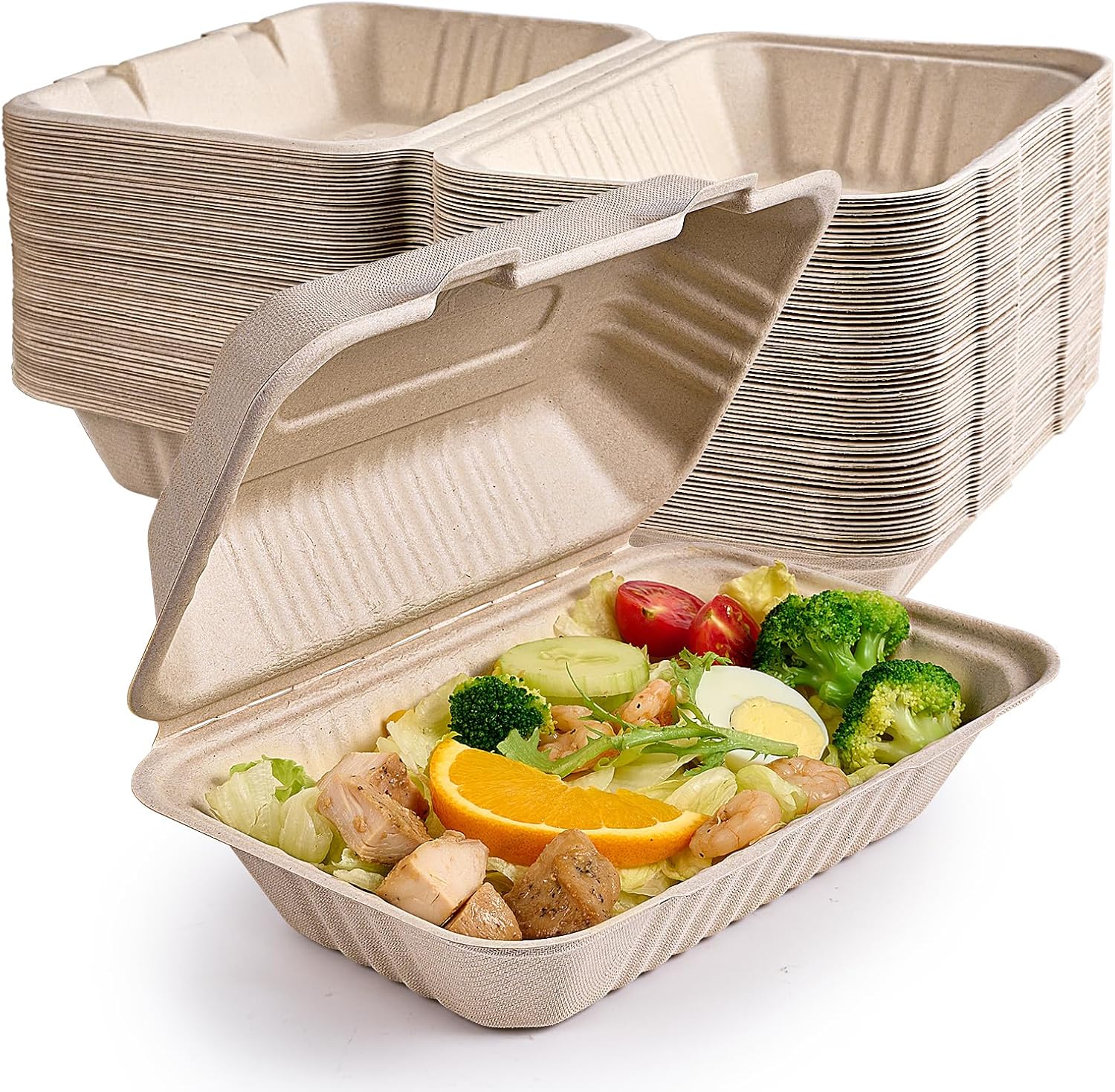 Disposable Food Container
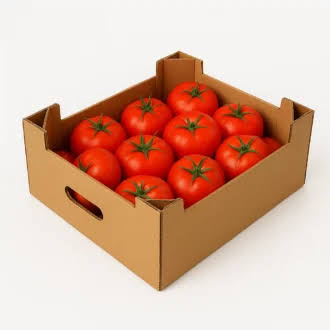 Tomato Boxes
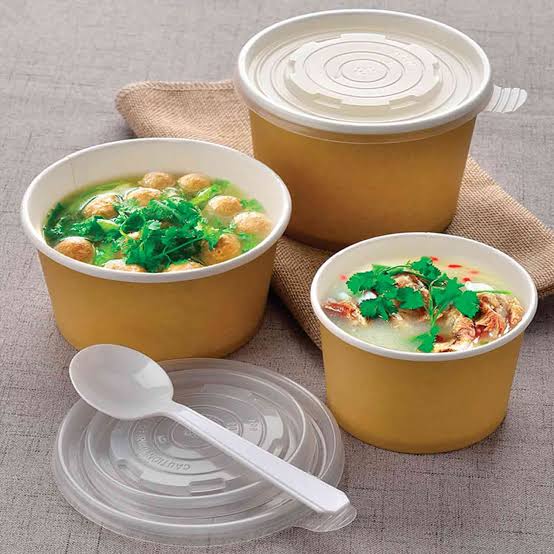 Paper Soup Bowls
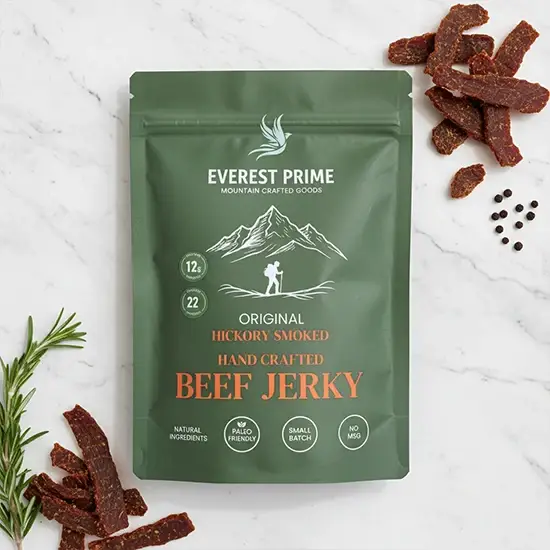 Custom Beef Jerky Bags
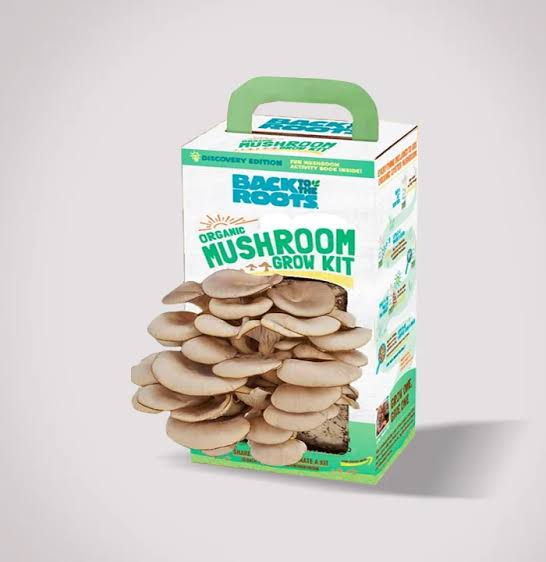 Custom Mushroom Packaging
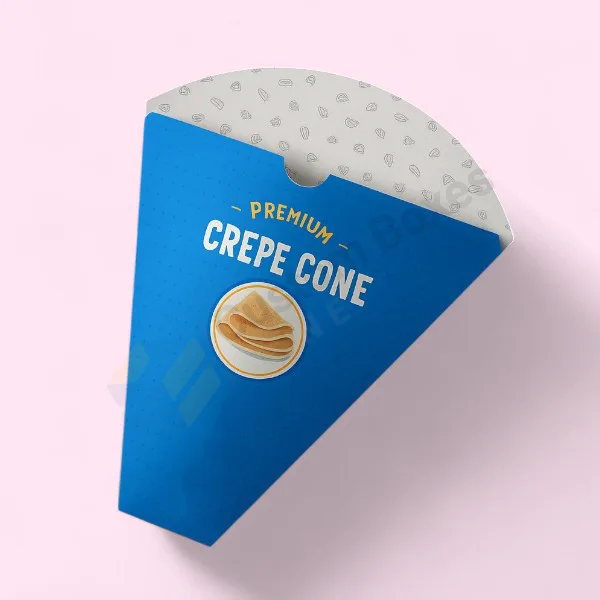 Crepe Packaging
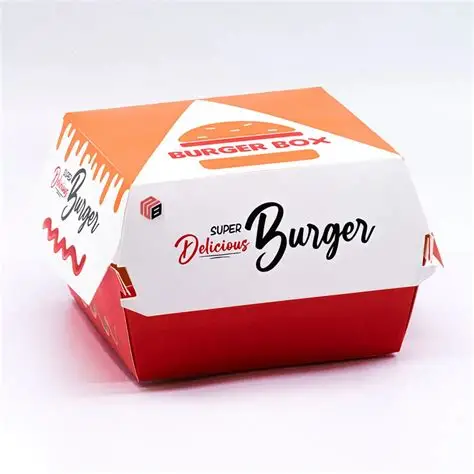 Burger Boxes
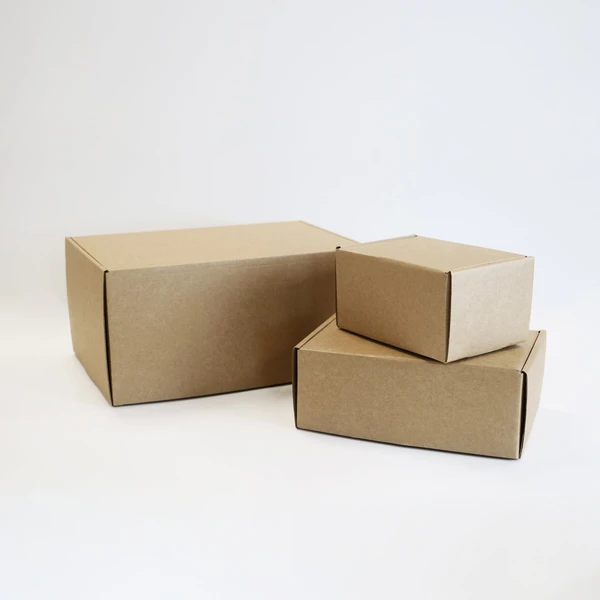 Plain Boxes
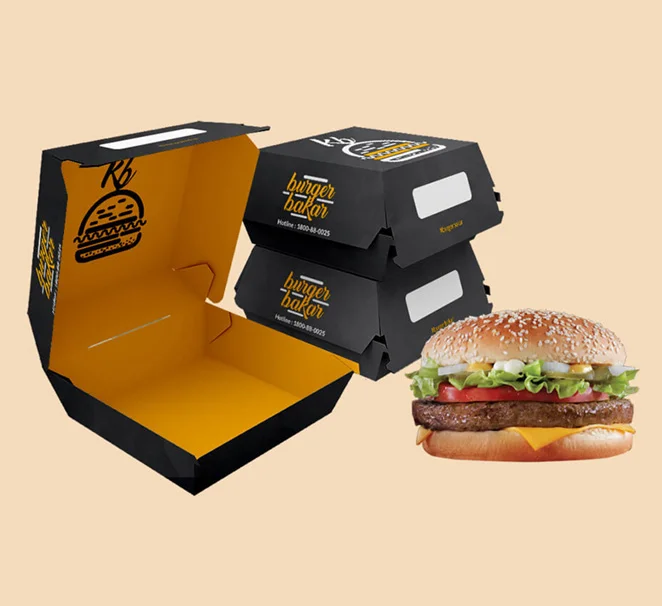 Mini Burger Boxes
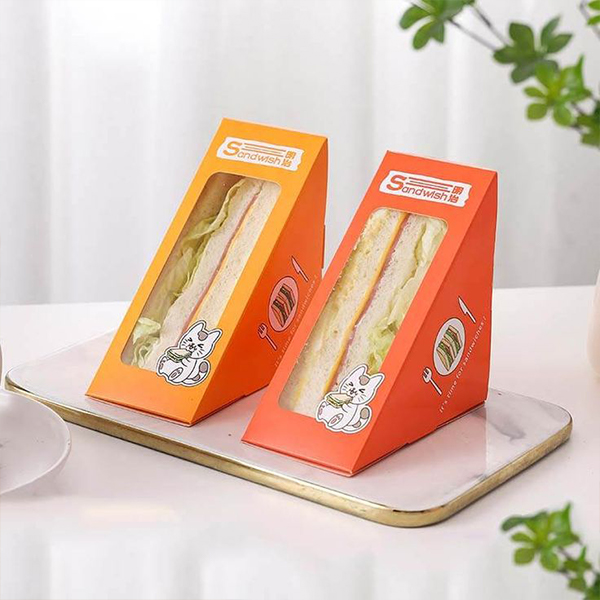 Sandwich Boxes
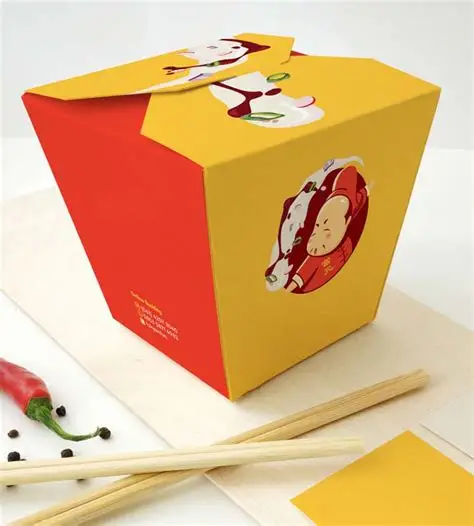 Chinese Food Boxes
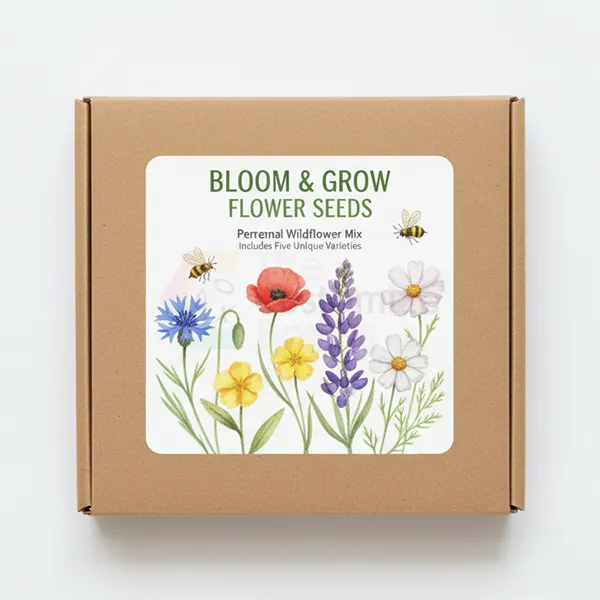 Flower Seed Packaging