Electronics boxes are the packaging tech brands use to protect and present devices that are usually more fragile, more expensive, and more sensitive to damage than most other retail products. A cracked screen, a bent connector, or a scratched casing turns into a return or a warranty claim, so the packaging has to do real structural work — not just look good on a shelf. Manufacturers, gadget startups, e-commerce sellers, and wholesale distributors all rely on this category, and the requirements shift depending on the product: a phone accessory needs different support than a set of headphones, and a small appliance needs different handling than a circuit board or component. Beyond protection, electronics packaging carries a real branding job too, since customers forming a first impression of a new device often do it while still holding the box. Thunder Packaging USA manufactures custom electronics boxes for brands at every stage, from a startup shipping its first product run to an established manufacturer supplying retail accounts nationwide. We work through material, insert, and structural decisions with each client so the box actually protects what’s inside rather than just looking the part.
We keep minimum order quantities low, which matters for electronics brands launching a new product or running a smaller batch before scaling up production. Pricing is set at wholesale rates because we manufacture directly rather than through a chain of resellers.
We give a specific production timeline once we’ve reviewed your box specifications, particularly since electronics packaging often involves custom-fit inserts that take more design time than a standard box — we’d rather give an accurate estimate than a generic one. Shipping is free across the United States, and our design team helps convert your logo or product artwork into print-ready files at no added cost.
Boxes are built around your product’s exact dimensions and weight rather than a generic stock size, and we choose materials based on how fragile or heavy the device actually is. Premium printing and several finishing options are available for brands that want packaging to reflect the price point of the product, and as a US-based manufacturer, we keep communication direct from quote to delivery.
Material choice in electronics packaging is mostly about protection first, appearance second. Corrugated cardboard offers strength for heavier devices or bulk shipments, rigid board gives a premium retail feel suited to higher-end gadgets, and kraft paperboard works for brands leaning into a simpler, minimal aesthetic on lighter accessories. Box styles include two-piece rigid boxes for premium electronics, sleeve-and-tray boxes that separate the device from its accessories, and mailer boxes engineered to double as both retail packaging and a shipping-safe container for e-commerce orders.
Printing runs through offset and digital methods in full CMYK, which matters for tech branding that often relies on precise, high-contrast color work. Finishing options include matte or gloss lamination, soft-touch coating for a more premium hand-feel, spot UV to highlight a logo, foil stamping in silver, gold, or custom metallic colors, and embossing or debossing for raised or recessed detail. Window cutouts let customers see the device without opening the box, which works well for accessories or smaller gadgets. Custom inserts — molded foam, corrugated dividers, or fitted trays — are where electronics packaging matters most, since a properly shaped insert is usually the difference between a device arriving intact and one that arrives damaged.
Consumer electronics brands rely on this packaging to protect devices like headphones, speakers, and small gadgets during both retail handling and direct shipping. Mobile accessory brands need compact, well-fitted packaging for smaller items like cases, chargers, and cables, where box size and insert precision matter more than raw structural strength. Smart home and appliance companies need sturdier packaging suited to bulkier or heavier products. Component and hardware manufacturers supplying B2B or wholesale customers typically need protective, less decorative packaging built around function and stacking efficiency. E-commerce sellers shipping electronics direct-to-consumer need boxes that combine shipping durability with an unboxing experience that matches the product’s price point. Subscription tech boxes and gadget-of-the-month services also use custom electronics packaging as a recurring brand touchpoint, and marketing agencies sourcing packaging for tech clients work with this category as well.
Product protection matters more in electronics than in almost any other packaging category, since the cost of a damaged unit is higher and the margin for error is lower. A box without a properly engineered insert is one of the more common causes of returns here — not because the device was faulty, but because it moved during transit and something cracked or disconnected. Beyond protection, packaging shapes first impressions of the product itself: a premium device in a flimsy or poorly finished box undercuts the perceived value before the customer has even opened it. Custom printing reinforces brand recognition across a product line, which matters for tech brands selling multiple SKUs or accessory bundles. For e-commerce specifically, the unboxing moment has become part of how tech products get reviewed and shared, particularly for higher-profile gadget launches. Well-built packaging also reduces damage-related returns, which affects margins more directly in electronics than in most lower-cost, less fragile categories.
We offer eco-conscious materials for electronics brands that want their packaging to reflect sustainability commitments without overstating what it delivers. This includes recyclable corrugated and kraft materials, FSC-certified paper sourced from responsibly managed forests, and soy-based inks as an alternative to petroleum-based printing. Biodegradable options are available depending on box style, though foam inserts commonly used for device protection aren’t inherently biodegradable — we’ll walk through which combinations genuinely support a sustainability goal versus which just use “eco” language without the material to back it up. We don’t market any packaging as fully without environmental impact, since every material carries some footprint, but we’re transparent about which choices actually reduce that impact.
Copyright © 2026 www.thunderpackaging.com All rights reserved.


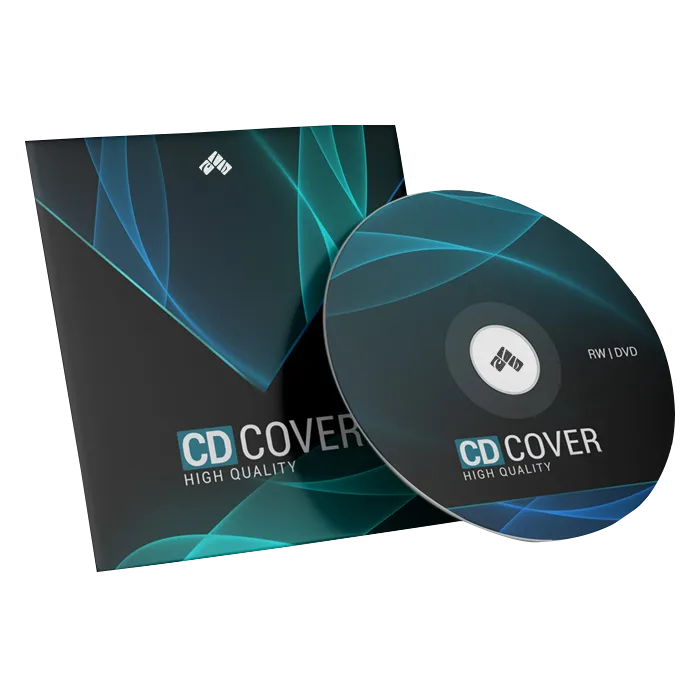 CD Cover Packaging
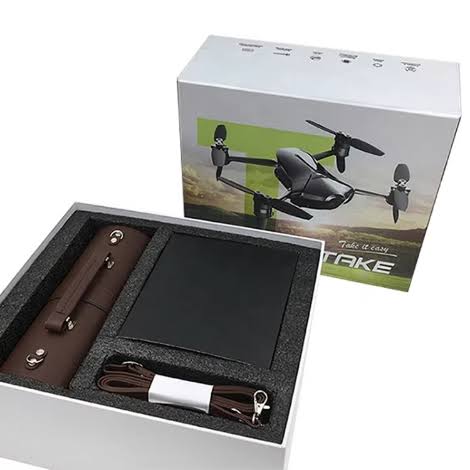 Drone Packaging Boxes
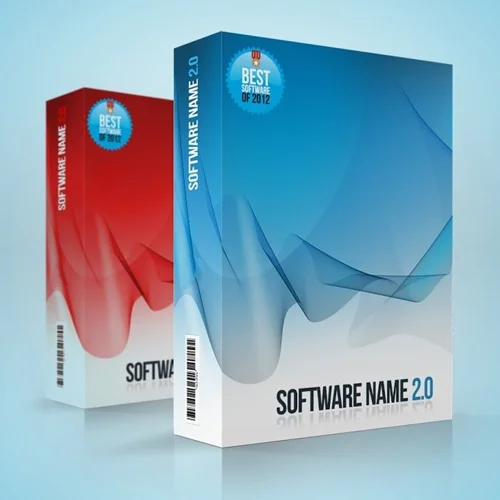 Software Boxes
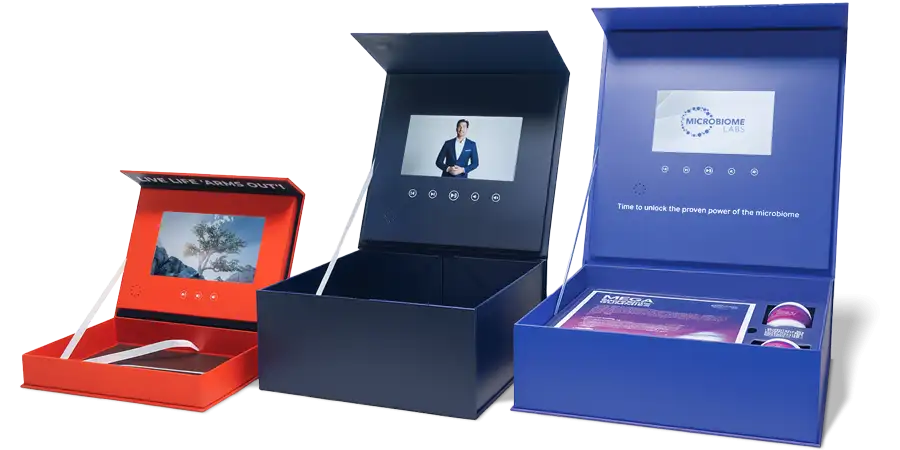 Video Boxes
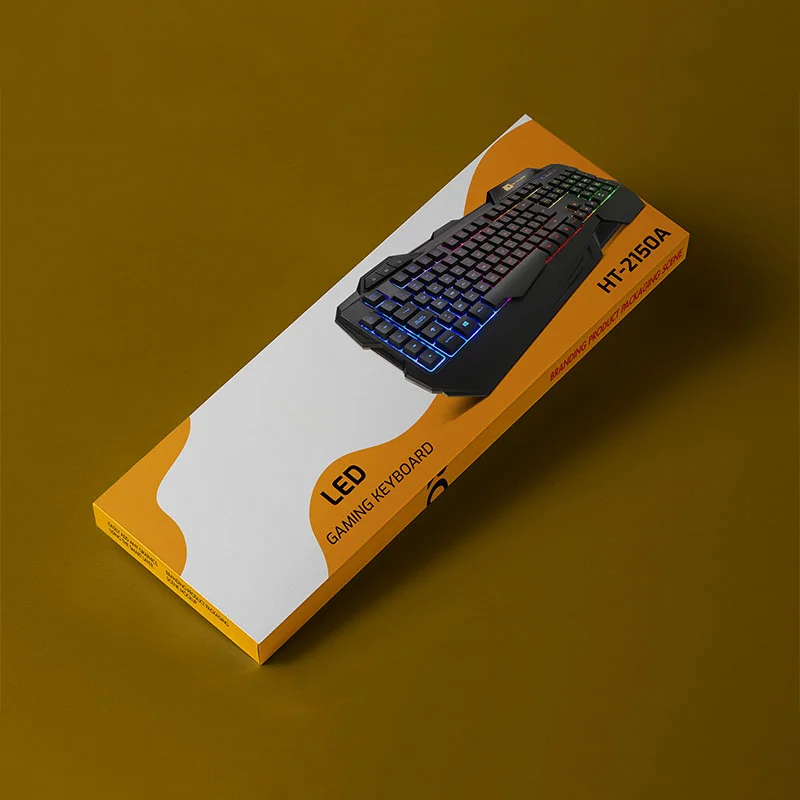 Keyboard Boxes
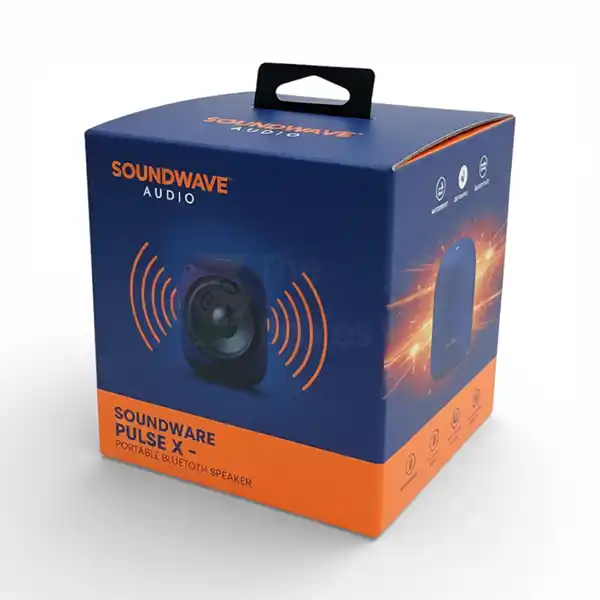 Speaker Packaging
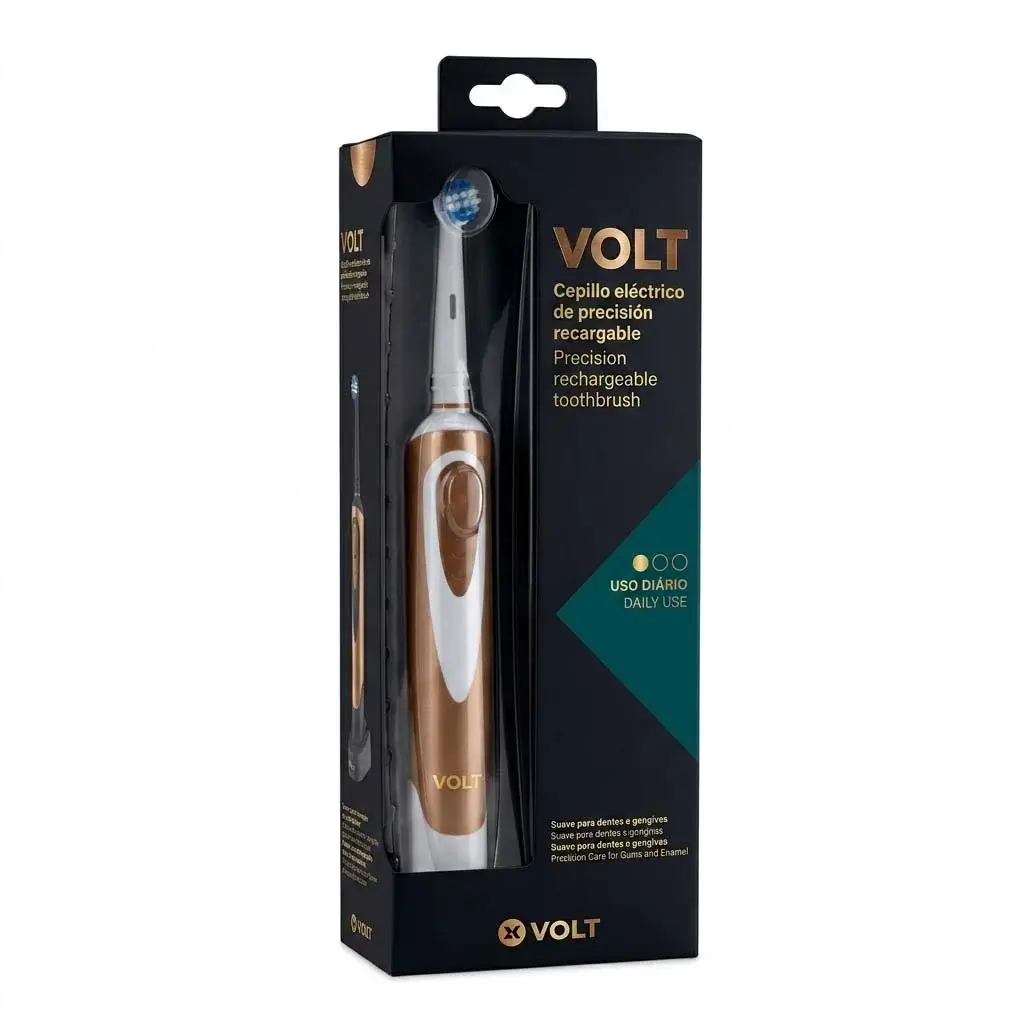 Electric Toothbrush Packaging
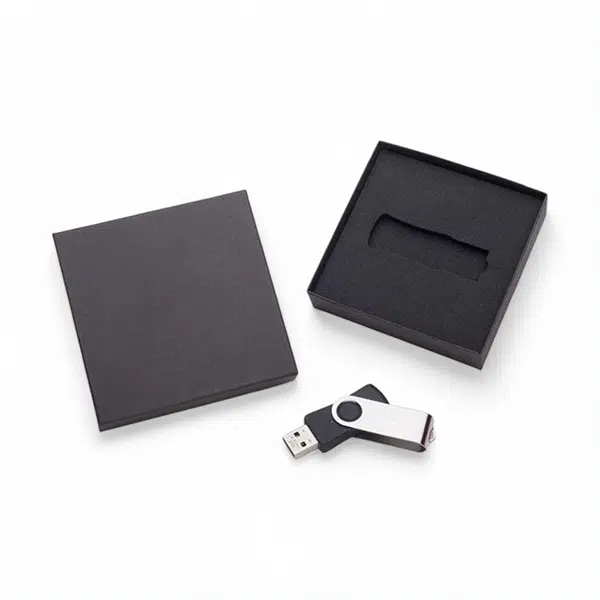 USB Packaging
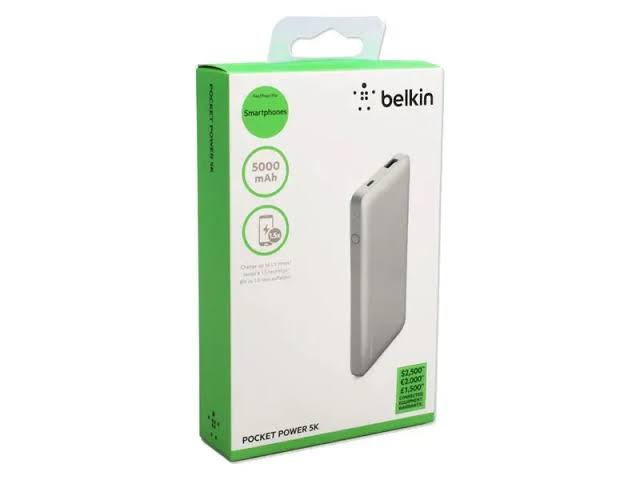 Power Bank Packaging
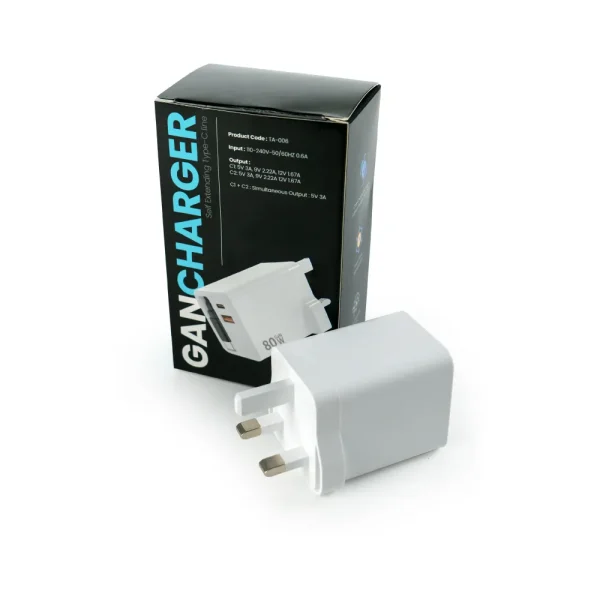 Adaptor Packaging
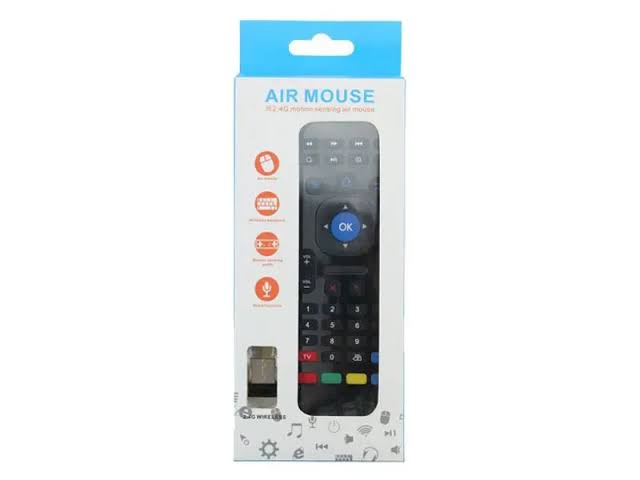 Remote Boxes
 Clock Boxes Packaging